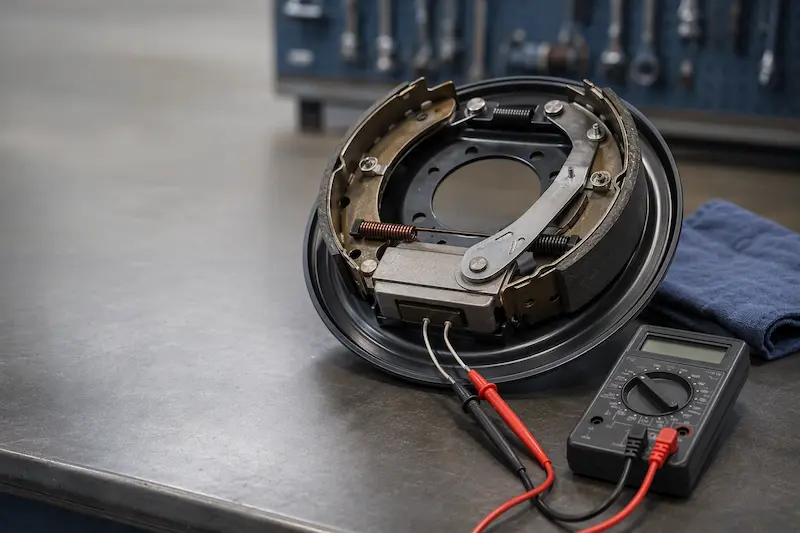
Brake shoes are a crucial part of your vehicle’s drum brake system, and worn brake shoes can compromise your car’s stopping power and safety. Here are common signs that your brake shoes may need attention:
1. Squealing or Scraping Sounds
Hearing unusual squealing or scraping when you press or release the brake pedal is often the first warning of worn brake shoes.
-
Mild wear: A squeaky sound may result from brake dust buildup. Using a brake cleaner can help temporarily reduce the noise.
-
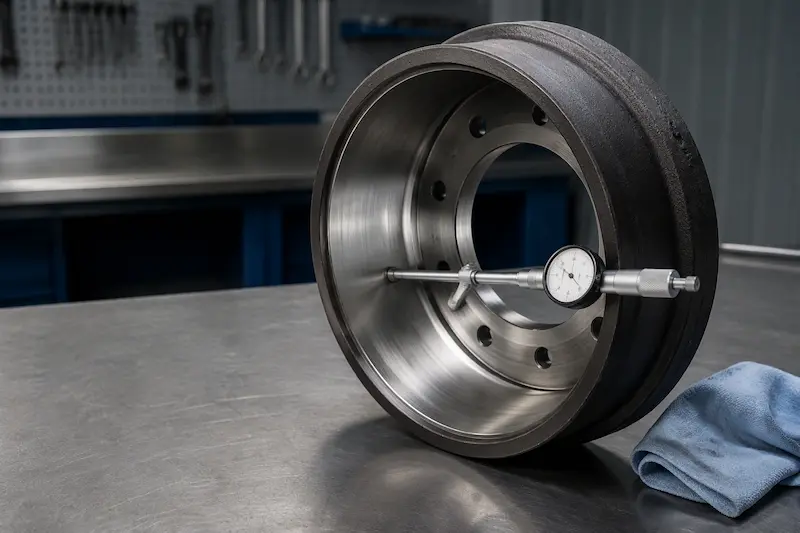
Severe wear: If the brake lining is completely worn, the metal backing plate may rub against the drum, creating a harsh scraping noise. This signals serious damage and requires immediate repair to avoid costly brake system damage.
2. Reduced Stopping Power
Worn brake shoes reduce your vehicle’s ability to stop efficiently. Overheated or damaged brakes lose friction, increasing stopping distances and making braking less predictable.
3. Loose Parking Brake
If your parking brake feels loose or ineffective, it could indicate worn or dirty brake shoes on rear drum brakes. Low friction may prevent the brake from holding the car in place, and you may need to apply excessive force to engage it.
4. Brake Pedal Vibrations
Vibrations in the brake pedal often indicate deteriorating brake shoes. As the shoes wear, the drum may vibrate during braking, transferring the sensation to your foot.
Note: Pedal vibrations can also occur in disc brakes if the pads or rotors are damaged.
5. Spongy Brake Pedal
Rear drum brakes have a self-adjuster that keeps the distance between shoes and drum minimal. When brake shoes wear down, this distance increases, causing a loose, spongy feeling when braking.
Spongy brakes can also occur in disc brakes due to worn pads. Either way, immediate inspection by a mechanic is recommended.
6. Illuminated Brake Warning Light
Modern vehicles are equipped with a brake warning light. If your brake shoes (or disc brake pads) are worn or failing, this light may illuminate on your dashboard. Prompt attention is necessary to prevent further damage.
What Happens If You Drive With Worn Brake Shoes?
Driving with worn brake shoes can be dangerous and costly:
-
Reduced brake response: Worn brake shoes increase stopping distances and can cause the brakes to slip.
-
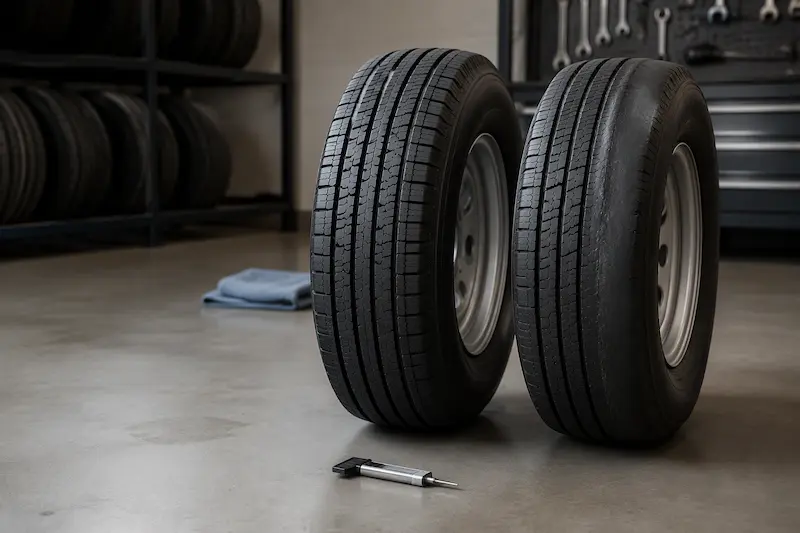
Accelerated tire wear: Frequent hard braking due to reduced braking efficiency can wear tires faster and cause imbalance.
Neglecting worn brake shoes may lead to full rear brake system repairs.
When Should You Replace Brake Shoes?
Rear brake shoes generally last longer than front brake pads, thanks to brake bias. Replacement is usually needed every 25,000 to 65,000 miles, depending on vehicle type and driving habits.
Brake shoe replacement is also an ideal time for a mechanic to check:
-
Wheel cylinders (brake cylinders)
-
Brake fluid levels
-
Potential brake fluid leaks
Tip: Always check brake shoes whenever the rear wheels are removed.
Wrapping Up
Brake shoes are essential for safe braking in drum brake systems. Regular inspection, maintenance, and timely replacement can prevent major repairs and ensure your vehicle stops safely.
For hassle-free brake shoe or brake pad replacement, Weifang Top Trailer Accessories Co., Ltd. offers:
-
Convenient online booking
-
Transparent pricing
-
High-quality equipment and replacement parts
-
12-month / 12,000-mile service warranty
For more details on installation and specifications, visit our official product page or contact our technical support team for personalized assistance.