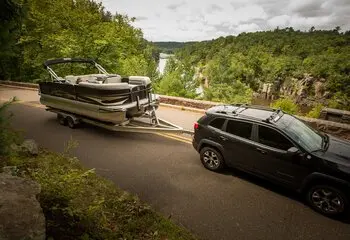
When you hook up a trailer and head down the highway, the component silently carrying the heaviest burden isn’t the hitch or the frame—it’s the axle. As the central structure that ties the wheels together, the axle is the primary load-bearing member of your trailer. It integrates the suspension, supports the full vertical weight of the trailer and its cargo, and ensures the entire rig tracks smoothly and predictably behind your tow vehicle.
But an axle’s job goes far beyond simply holding up weight. It must absorb and manage dynamic forces—road shock, cornering loads, and braking torque—all while maintaining stability and keeping the wheels properly aligned. Understanding how this critical component works, the different configurations available, and the maintenance it demands is essential for safe, reliable towing.
Core Function and Fundamental Architecture
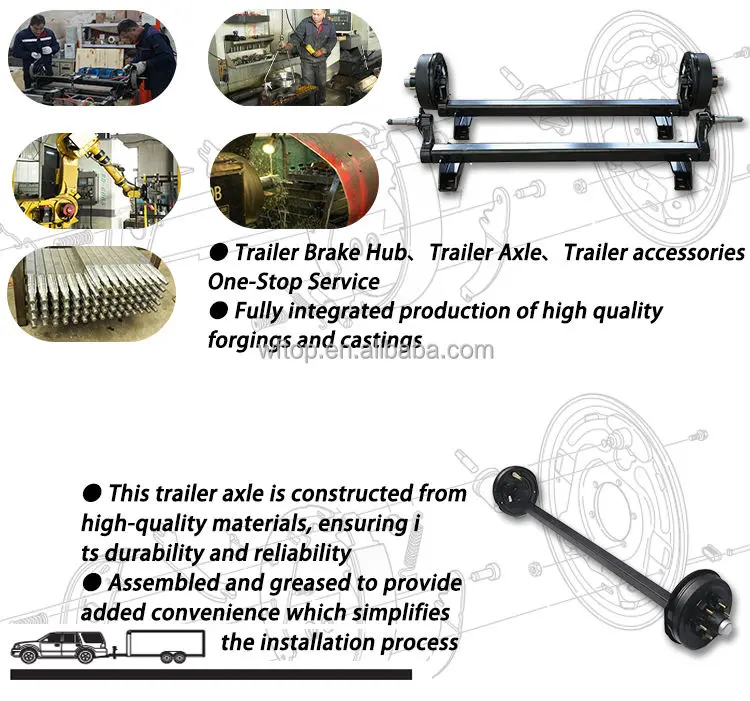
At its most basic level, the trailer axle performs two essential tasks: supporting vertical load and preserving precise wheel alignment relative to the trailer frame. This structural element must endure significant bending and shear stresses while ensuring the wheel hub assemblies remain perfectly parallel.
The heart of the assembly is the central beam (or tube), typically fabricated from high-strength steel and spanning the full width of the trailer. Fixed to each end of this beam are the spindles—rigid, non-rotating shafts onto which the wheel hubs and bearings are mounted. The spindle serves as the anchor point for the entire wheel assembly, carrying the load while allowing the wheels to rotate with minimal friction.
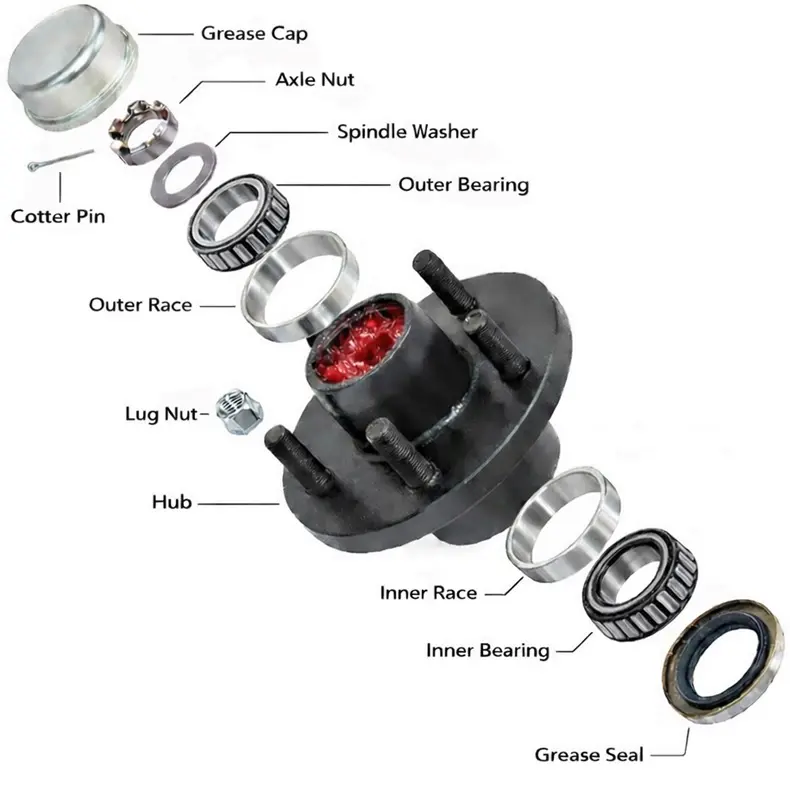
While the beam and spindles form the fixed structural core, the rest of the axle assembly consists of suspension components and wear items that facilitate wheel movement. The choice of suspension system—predominantly leaf spring or torsion—dramatically influences ride quality, maintenance requirements, and overall performance.
Suspension Showdown: Torsion vs. Leaf Spring
The manner in which the axle connects to the trailer frame defines the suspension system. The two dominant types—leaf spring and torsion—each present distinct trade-offs in durability, comfort, and serviceability.
Leaf Spring Axles: The Rugged Workhorse
Leaf spring axles rely on layered steel strips (or “leaves”) that are bowed and clamped together. As the trailer encounters irregularities in the road, these leaves flex to absorb and dissipate shock. This is a dependent suspension system, meaning the wheels on the same axle are linked; a bump encountered by one wheel is partially transmitted across the axle to the other.
Advantages:
-
Durability and Cost-Effectiveness: Leaf springs offer renowned rugged construction and a lower initial cost.
-
epairability: You can replace individual components—springs, shackles, or bushings—without swapping the entire axle assembly.
-
High Load Capacity: Widely preferred for heavy-duty commercial, utility, and off-road applications where maximum weight ratings are paramount.
Disadvantages:
-
Harsher Ride Quality: Particularly when the trailer is empty, leaf springs can deliver a stiff, jarring ride, often resulting in “spring hop” under lighter loads.
Torsion Axles: The Precision Cushion
Torsion axles, by contrast, use a square outer tube that houses internal rubber cords. A trailing arm attaches to the wheel spindle; as the wheel moves up and down, the arm twists an internal solid steel bar, which compresses the rubber cords to provide progressive cushioning and shock absorption. This design gives each wheel independent suspension and isolates road impacts from one side to the other.
Advantages:
-
Superior Ride Comfort: Delivers markedly smoother cushioning, reducing vibration and protecting both cargo and trailer structure.
-
Low Maintenance: With fewer exposed moving parts, torsion axles are less susceptible to corrosion and require significantly less upkeep.
-
Lower Deck Height: Direct frame mounting often allows for a lower ride height, simplifying loading and improving stability.
Disadvantages:
-
Non-Serviceable Design: If the internal rubber cords eventually lose their elasticity, the entire axle unit must be replaced—there are no serviceable internal components.
Understanding Load Ratings and Safe Capacity
You must comprehend weight ratings to tow safely. The Gross Axle Weight Rating (GAWR) defines the maximum weight a single axle can safely support. The manufacturer determines this figure based on beam strength, spindle dimensions, bearing capacity, and tire specifications, and displays it on a sticker or plate affixed to the axle tube or the trailer’s frame near the tongue.
It is critical that the sum of the GAWRs for all axles equals or exceeds the trailer’s Gross Vehicle Weight Rating (GVWR) —the maximum total weight of the fully loaded trailer. For a single-axle trailer, the GAWR and GVWR are often identical; for tandem or multi-axle configurations, total capacity is the cumulative sum of each individual GAWR. As a best practice, selecting an axle with a capacity that exceeds your calculated load provides an essential safety margin against dynamic forces and uneven weight distribution.
Critical Components Requiring Routine Attention
While the central axle beam is a fixed structural member, several attached components endure significant wear and demand regular inspection and service.
-
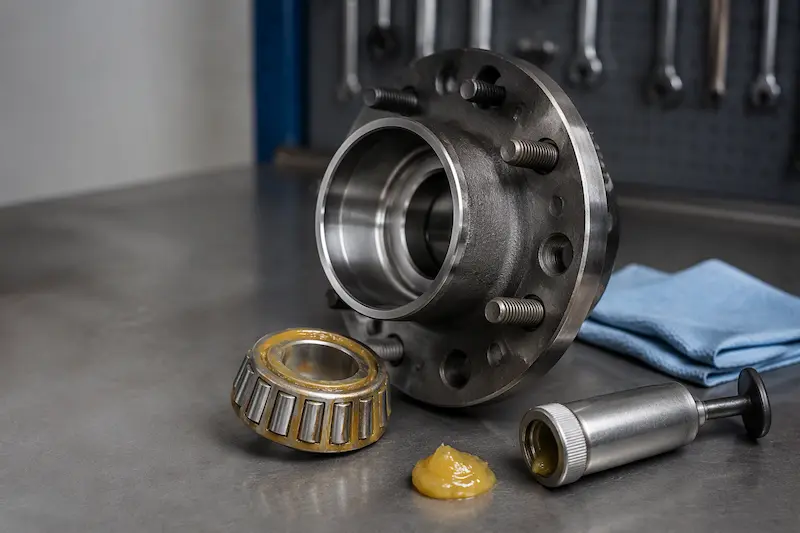
Wheel Hubs and Bearings: The hubs house tapered roller bearings that enable smooth, low-friction wheel rotation. These bearings must be periodically cleaned, inspected for pitting or scoring, and repacked with high-temperature bearing grease—typically every 12 months or 12,000 miles.
-
<strong>Grease Seals: Positioned within the hub assembly, these seals prevent lubricating grease from escaping and block water and contaminants from infiltrating the bearings. A compromised seal is a direct pathway to bearing failure, leading to excessive heat generation and eventual wheel seizure.
-
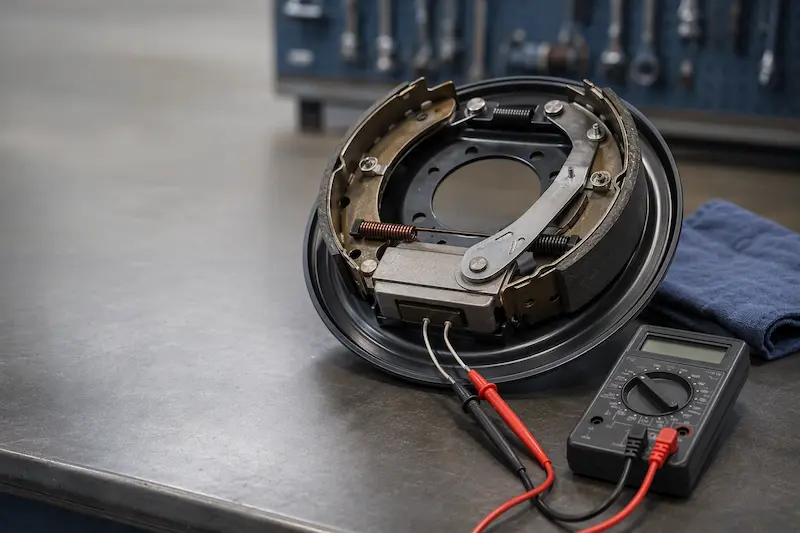
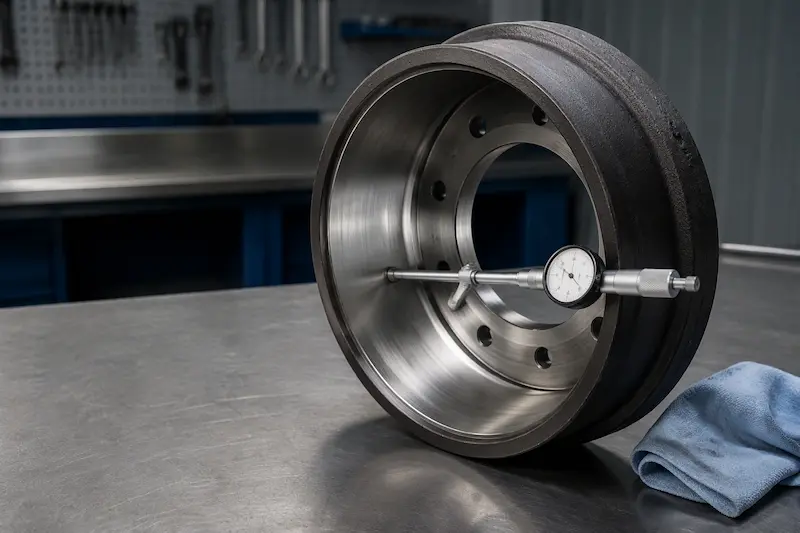
Braking System: Whether electric or hydraulic, the braking system mounted to the axle requires thorough, regular inspection. Electric drum brakes utilize an electromagnet to actuate brake shoes against the drum; hydraulic surge brakes rely on the tow vehicle’s deceleration to compress a master cylinder. Routinely check the condition of brake shoes, magnets, wiring, and fluid lines.
Conclusion
The trailer axle is far more than a metal bar—it is the engineering cornerstone of safe, stable, and smooth towing. By understanding the distinctions between suspension types, respecting load ratings, and adhering to a diligent maintenance schedule for hubs, bearings, and brakes, you safeguard your cargo, your vehicle, and everyone else on the road. A well-maintained axle isn’t just about performance—it delivers peace of mind on every journey.
[Contact Us Today for a Wholesale Quote or Custom Catalog]
Chat with Us on WhatsApp for an Instant Quote & Catalog