
You spot a thin streak of grease on the inside of your trailer tire, or you notice the brake drum looks wet when you pull the wheel. At that moment, a tiny rubber ring — the trailer axle oil seal — has started to fail. Ignore it, and the grease washes out, the bearings overheat, and the spindle scores. Before long, you face a full hub rebuild instead of a 30-minute seal swap.
Weifang Top Trailer Accessories produces axle parts including oil seals, dust cups, brake drums, and complete axles for trailers exported worldwide. This wheel seal leak guide walks you through diagnosis, replacement, and prevention so you keep your rig rolling.
What Does a Trailer Axle Oil Seal Do?
The trailer axle oil seal sits at the back of the hub, behind the inner bearing, and rides on the axle spindle. It performs two jobs at once:
- It keeps grease (or oil in an oil-bath hub) inside the bearing cavity.
- It blocks water, road grit, and brake dust from entering.
When the seal works correctly, bearings stay lubricated for thousands of miles. When it fails, you get the classic trio of problems: grease on the brake lining, a dry bearing, and a scored spindle. A damaged spindle often forces a complete axle replacement, which costs far more than the seal itself.
Six Warning Signs of a Wheel Seal Leak
Check for these clues during every hub inspection:
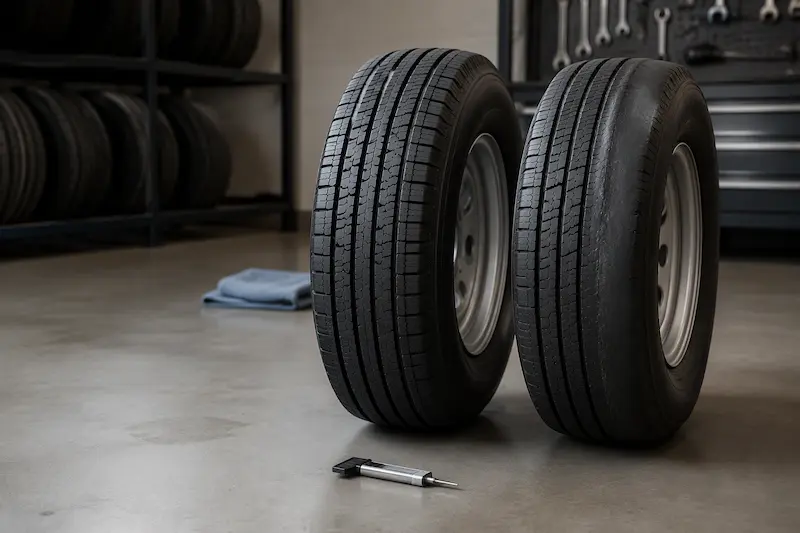
- Grease streaks on the inside tire sidewall or the inner wheel rim.
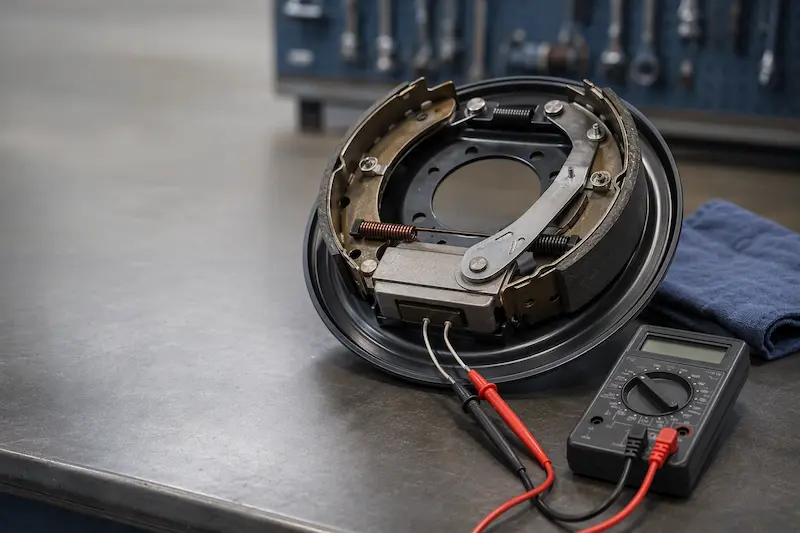
- Oily residue or wetness around the brake drum and backing plate.
- Brake performance fades, or the trailer pulls to one side when you brake.
- A grinding or rumbling noise from the hub while you tow.
- Grease dripping from the bottom of the hub after a long drive.
- Low grease level or contamination inside the hub when you open the dust cap.
If you spot any of these signs, stop driving the trailer and inspect the hub immediately. A wheel seal leak rarely heals itself — it only gets worse.
Why Trailer Axle Oil Seals Fail Early
Most premature failures come from installation errors and maintenance habits, not from bad parts. Common causes include:
- Over-tightened bearings. Too much preload pushes the inner bearing against the seal lip and deforms it.
- A scored or corroded spindle. The seal lip rides on the spindle surface; any groove or rust pit lets grease escape.
- The wrong seal size. A seal that fits loosely in the hub or loosely on the spindle cannot hold pressure.
- Improper installation. Hammering the seal in at an angle, or skipping lip lubrication, tears the rubber immediately.
- Over-greasing. High-pressure grease guns can blow past the seal lip and pop the seal out of the hub.
- Water intrusion. Launching a boat trailer in salt water, or pressure-washing the hubs, forces moisture past the seal and corrodes the bearing.
Understanding these causes helps you avoid repeating them during replacement.
How to Replace a Trailer Axle Oil Seal — Step by Step
You can complete this job in about an hour per wheel with basic hand tools. Follow these steps in order:
Step 1: Prepare the trailer safely. Chock the opposite wheels, loosen the lug nuts, jack up the trailer, and support the axle with jack stands. Never work under a trailer supported only by a jack.
Step 2: Remove the wheel and hub. Take off the lug nuts and wheel, then pull the dust cap, cotter pin, castle nut, and washer. Slide the hub and drum assembly off the spindle. If it sticks, tap the hub face gently with a mallet.
Step 3: Clean and inspect the spindle. Wipe the spindle clean and run your fingers along its surface. A rough groove or rust pit means the spindle needs repair, or the new seal will fail again quickly.
Step 4: Remove the old seal. Pry the old trailer axle oil seal out of the hub with a seal puller or a flat screwdriver. Work carefully around the hub bore so you do not score the metal.
Step 5: Clean the hub cavity. Remove old grease, inspect the bearing cups for pitting or scoring, and wipe the hub bore dry. If the cups show damage, replace the bearings as a set — our trailer axle parts guide explains what to look for.
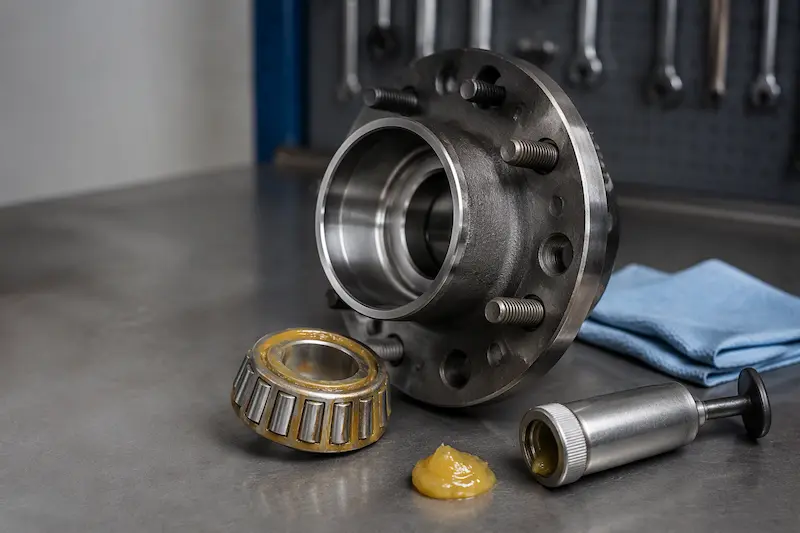
Step 6: Pack the inner bearing. Pack fresh wheel bearing grease into the inner bearing, then place it in the cup.
Step 7: Install the new seal. Apply a thin coat of grease to the outer diameter and the lip of the new seal. Press it into the hub bore squarely — use a seal driver or a socket that matches the outer diameter, and tap it in evenly until it seats flush. An angled installation guarantees a leak.
Step 8: Reassemble the hub. Slide the hub back onto the spindle, install the outer bearing, washer, and nut, then adjust the bearing preload. Tighten the nut to seat the bearings, back it off, and re-tighten to the manufacturer’s spec. Install a new cotter pin.
Step 9: Finish and verify. Reinstall the wheel, torque the lug nuts to spec, and take a short test drive. Recheck the hub temperature after a few miles — a hot hub signals a bearing problem.
Choosing the Right Seal for Your Axle
Do not guess the part number. Match the seal to three dimensions: the spindle diameter, the hub bore diameter, and the seal thickness. Check the old seal’s markings, consult your axle manufacturer’s parts list, or measure with calipers. For oil-bath hubs, choose a seal rated for oil rather than grease. Weifang Top offers precision oil seals and dust cups in OEM and ODM configurations, and the engineering team can match a seal to your specific axle drawing.
For a deeper look at the components that surround the seal — spindles, hubs, and bearings — read our Trailer Axle Parts 101 article, or follow the bearing repack procedure from etrailer and the Timken wheel bearing maintenance guide for professional reference.
Prevention Tips That Keep Seals Alive
- Adjust bearing preload correctly and re-torque after the first 50 miles of use.
- Never over-grease the hub; pump grease slowly until the bearing cap fills.
- Inspect hubs at least once a year or every 5,000 miles — more often for boat trailers.
- Rinse salt water off hubs after launching, and repack bearings before long trips.
- Replace seals whenever you repack bearings or service brakes; seals cost little, while a failed bearing destroys a spindle.
- Store the trailer with the weight off the hubs when possible to relieve pressure on the seals.
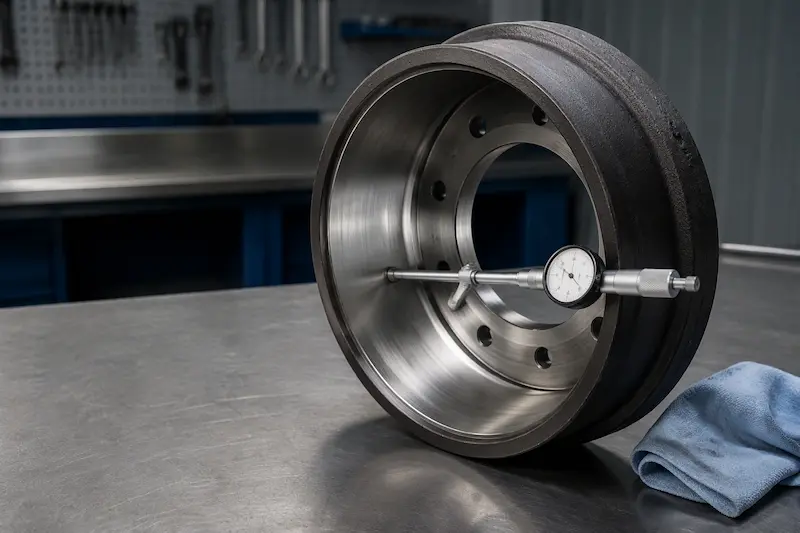
Remember that a healthy hub depends on the whole assembly — the brake drum and disc must run true, and the brake assembly must engage smoothly. Meanwhile, your trailer axle load capacity sets the stress level every seal and bearing endures. Keep the whole system balanced, and your seals will last.
FAQ
1. How do I know if my trailer axle oil seal is leaking? Look for grease streaks on the inside tire sidewall, oily residue on the brake drum, or a grinding noise from the hub. You may also find grease dripping from the bottom of the hub after driving.
2. Can I drive with a leaking wheel seal? You can drive a short distance, but you should not. Grease can contaminate the brake lining and reduce braking power, and the bearing may run dry and seize. Stop and repair the leak as soon as you notice it.
3. How much does it cost to replace a trailer axle oil seal? The seal itself costs a few dollars to about twenty dollars. If you do the work yourself, the total cost stays minimal. If a failed seal damaged the bearing or spindle, expect to pay for those parts too.
4. How often should I replace trailer axle oil seals? Replace them every time you repack the bearings — usually once a year or every 5,000 to 6,000 miles. Boat trailers need more frequent attention because of water exposure.
5. What happens if I install the seal backwards? The seal will not hold grease, water will enter the hub, and the bearing will fail quickly. Install the seal with the lip facing the bearing side, toward the inside of the hub.
6. Do oil-bath hubs use the same seal as grease hubs? No. Oil-bath hubs use seals designed for oil, often with a double-lip design that handles fluid pressure. Always match the seal type to your hub system.
Conclusion
A leaking wheel seal does not wait for a convenient time — it fails on the road, at the boat ramp, or in the middle of a long haul. Catch the warning signs early, replace the trailer axle oil seal with the correct part, and follow a simple maintenance routine to protect your bearings and spindle for years.
If you need help sourcing seals, dust cups, or complete axles for your trailer, contact the Weifang Top team — they supply OEM and ODM axle components to markets worldwide. Send your axle specs and let the engineers match the right parts for your build.