Introduction
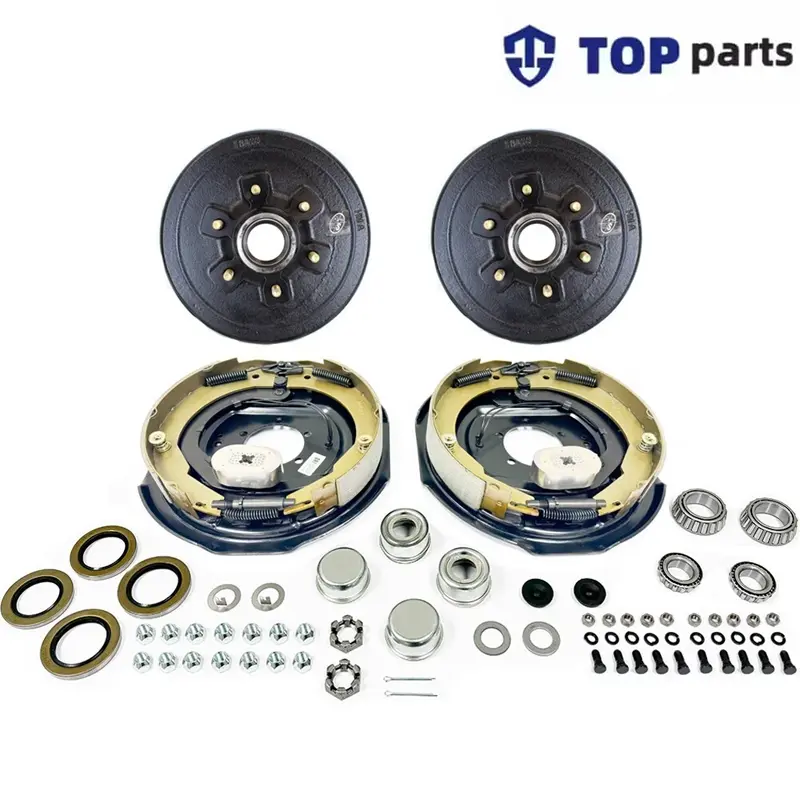
Choosing the right brake assembly for your trailer isn’t just about stopping power—it’s about safety, legal compliance, and long-term cost. Yet many trailer owners, repair shops, and even small manufacturers make avoidable mistakes when selecting electric brake assemblies, brake drums, or matching components.
At Weifang Top Trailer Accessories Co., Ltd., we have supplied precision brake systems and trailer axles to customers in the US, Canada, Australia, and New Zealand since 2015. Drawing from our engineering team’s experience and quality control data, here are the three most common mistakes we see—and how to avoid them.
Mistake #1: Matching by Axle Model Only – Ignoring Torque & Capacity Ratings
What happens:
You have a 6,000 lb trailer axle, so you buy a “6k brake assembly.” But the trailer pulls poorly, brakes overheat, or stopping distance increases.
Why it fails:
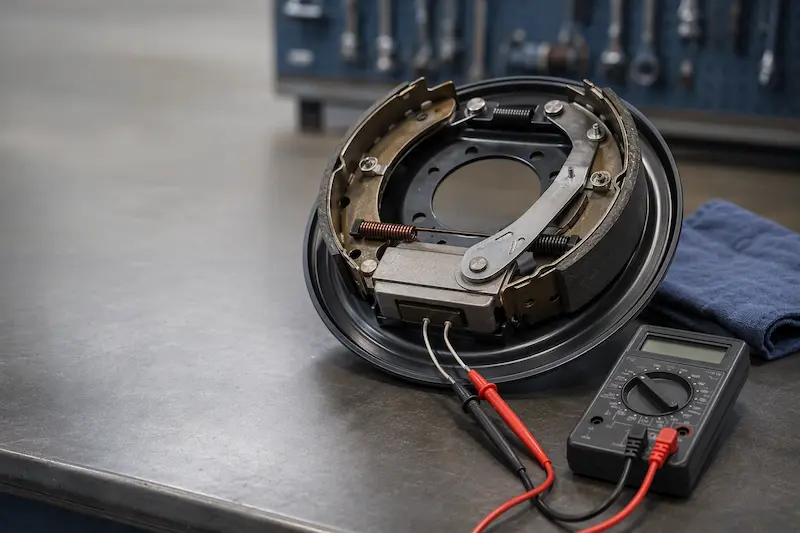
Axle capacity is only one factor. Brake assemblies are rated by torque output, not just weight rating. A 7,000 lb axle used for heavy construction equipment needs higher torque than the same axle used for landscaping trailers. Also, your Gross Vehicle Weight Rating (GVWR) matters more than empty axle load.
How to fix it:
-
Check your trailer’s GVWR (on the VIN plate). Brake assembly torque should match 80–100% of that value.
-
Consider terrain: Mountain towing requires higher torque than flatland.
-
Our technical support team (10 professional engineers) can recommend the correct electric brake assembly based on your real load, not just axle type.
✅ Pro tip from Top Axles: Always provide your trailer’s GVWR, typical cargo, and towing region when ordering. We offer customized manufacturing for torque values not found in standard catalogs.
Mistake #2: Ignoring Brake Drum Compatibility – Especially Runout & Balance
What happens:
You buy a new set of electric brake assemblies but reuse old brake drums. After installation, you feel pulsation when braking, hear grinding noises, or see uneven lining wear in 3 months.
Why it fails:
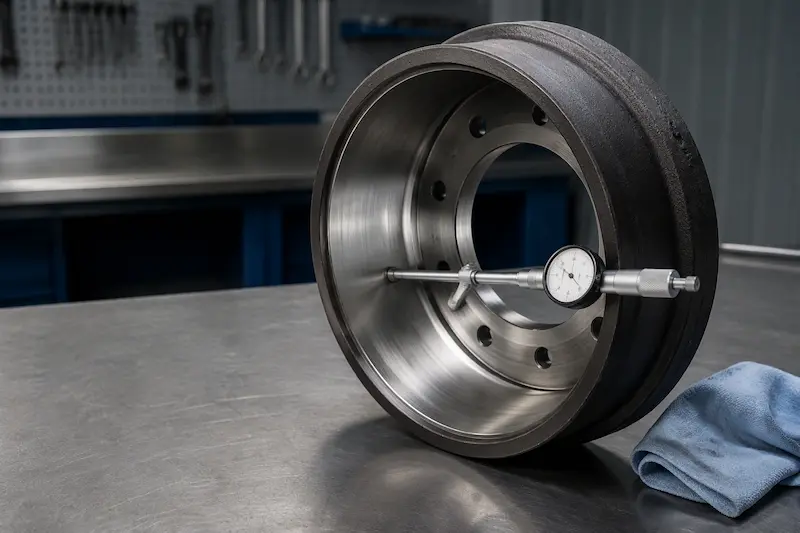
Drums wear unevenly. Even if within diameter limits, runout (out-of-round) can exceed 0.010″. This causes the brake shoes to contact only part of the drum, reducing effective braking and overheating the assembly. Also, used drums may have micro-cracks or surface hardening from previous overheating.
How to fix it:
-
Always replace brake drums when installing new electric brake assemblies on a working trailer.
-
Choose drums that are dynamically balanced (our stamped & machined drums are checked for runout before packaging).
-
Inspect the oil seal and dust cup surfaces on the drum hub. A scored seal surface will destroy your new oil seal and contaminate brake linings.
✅ Our quality advantage: With 15 QC personnel and advanced inspection equipment, every brake drum and machined part we ship is verified for diameter, runout, and surface finish.
Mistake #3: Forgetting the Small Parts – Oil Seals, Dust Cups & Grease
What happens:
You install a perfect brake assembly and drum, but 500 miles later, grease leaks onto the brake linings. The trailer loses braking on one wheel.
Why it fails:
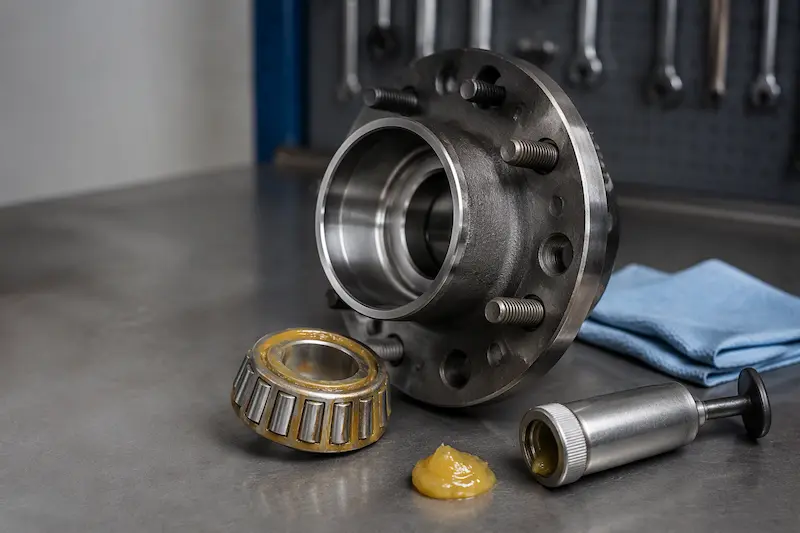
The oil seal and dust cup are mission-critical. An old or improperly seated oil seal allows wheel bearing grease to migrate into the brake drum. Once brake linings are oil-soaked, they lose 80–100% of stopping power. Similarly, a missing or damaged dust cup lets road dirt and moisture corrode the brake magnet armature.
How to fix it:
-
Always install a new oil seal and dust cup with every brake assembly job.
-
Apply a thin film of grease to the seal lip (not the brake side).
-
Use our precision dust cups – they are stamped to tight tolerances to seal correctly against the brake assembly backing plate.
✅ Our product range: We produce oil seals, dust cups, and all machined parts in our dedicated workshop, ensuring material compatibility and exact fit for our brake assemblies.
Bonus: One More Mistake – Skipping Technical Support
Many buyers try to save time or money by not asking for help. But a 10-minute call with our engineers often prevents wrong orders, shipping delays, and field failures.
How we help:
-
Customized manufacturing for non-standard bolt patterns, torque ratings, or magnet types.
-
Technical guidance on installation (including proper torque for brake assembly mounting bolts).
-
After-sales support – if you have uneven wear or performance issues, we analyze photos and data to identify root causes.
Final Checklist: How to Match Your Trailer’s Brake Assembly Correctly
| Step | Action |
|---|---|
| 1 | Determine trailer GVWR and typical load. |
| 2 | Choose torque rating not just axle weight. |
| 3 | Buy matched brake drums (new, balanced, low runout). |
| 4 | Always replace oil seal and dust cup. |
| 5 | Ask for technical support before ordering. |
Need Help? Talk to Our Team
Choosing the right electric brake assembly, brake drums, and sealing components is easier when you work with an experienced partner. We are Weifang Top Trailer Accessories Co., Ltd. – a professional company with:
-
Two large workshops (stamping + machining)
-
150 employees, including 10 technical staff and 15 QC
-
Global export to US, Canada, Australia, New Zealand
👉 Start a conversation: Use the Open Chat button on our website or email us your trailer specs. We will provide a free matching recommendation and quote.