When designing or purchasing a trailer, one of the most important decisions is selecting the correct axle capacity based on the trailer’s Gross Vehicle Weight Rating (GVWR). Choosing the right axle capacity ensures safety, compliance with regulations, and optimal trailer performance. In this guide, we’ll explain how GVWR relates to axle capacity and provide a practical step-by-step method for selecting the right axle configuration.
1. What Is GVWR?
GVWR (Gross Vehicle Weight Rating) is the maximum total weight that a trailer is designed to safely carry. This includes:
- The trailer’s own weight (also called curb weight or empty weight)
- The cargo weight
- Fluids, equipment, and accessories
In simple terms:
GVWR = Trailer Weight + Maximum Cargo Weight
Manufacturers establish GVWR based on structural strength, braking capacity, suspension design, tires, and axle ratings.
2. Understanding Trailer Axle Capacity
A trailer axle capacity refers to the maximum load that a single axle can safely support. Common trailer axle ratings include:
- 2,000 lb axle
- 3,500 lb axle
- 5,200 lb axle
- 6,000 lb axle
- 7,000 lb axle
- 8,000 lb axle
Trailers often use multiple axles to distribute the load.
Examples:
- Single axle trailer → 1 axle
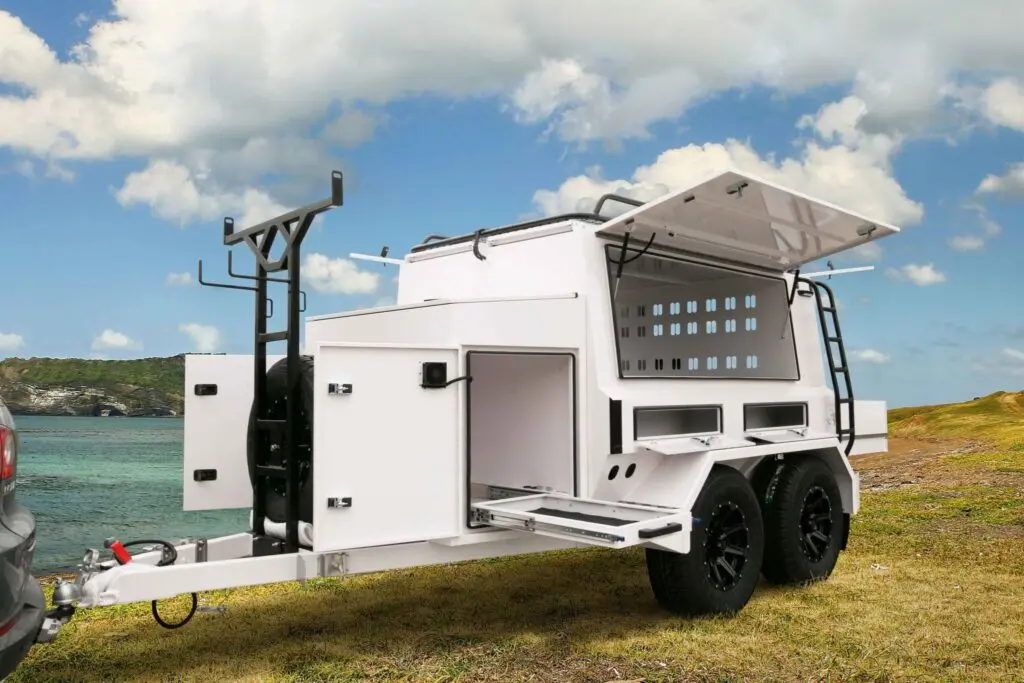
- Tandem axle trailer → 2 axles
- Triple axle trailer → 3 axles
Total axle capacity equals the sum of all axle ratings.
Example:
- Two 3,500 lb axles
- Total axle capacity = 7,000 lb
3. Consider Tongue Weight
Not all the trailer weight sits on the axles. A portion of the load is transferred to the towing vehicle through the tongue weight.
Typical tongue weight:
- 10%–15% of the total trailer weight
This means axles only support 85%–90% of GVWR.
Example:
- GVWR = 7,000 lb
- Tongue weight (10–15%) = 700–1,050 lb
- Weight on axles ≈ 5,950–6,300 lb
4. Step-by-Step Method to Choose Axle Capacity
Step 1: Determine Desired GVWR
Decide the maximum loaded weight your trailer must support.
Example:
- Empty trailer weight: 2,000 lb
- Cargo capacity needed: 5,000 lb
GVWR = 7,000 lb
Step 2: Estimate Axle Load
Subtract estimated tongue weight.
Example:
- GVWR = 7,000 lb
- Tongue weight (10%) = 700 lb
Load on axles:
7,000 − 700 = 6,300 lb
Step 3: Select Axle Configuration
Choose axles with a combined capacity greater than the expected axle load.
Example options:
| Axle Setup | Total Capacity | Suitable? |
|---|---|---|
| 2 × 3,000 lb axles | 6,000 lb | Too small |
| 2 × 3,500 lb axles | 7,000 lb | Good |
| 2 × 5,200 lb axles | 10,400 lb | Overkill |
Most manufacturers would select two 3,500 lb axles for a 7,000 lb GVWR trailer.
5. Always Include a Safety Margin
It’s best practice to include 10%–20% extra capacity beyond the calculated axle load. This margin helps account for:
- Uneven load distribution
- Road impacts and dynamic forces
- Long-term durability
Example:
Required axle load capacity: 6,300 lb
Recommended axle capacity:
6,900 – 7,500 lb
A tandem 3,500 lb axle setup (7,000 lb total) fits well.
6. Other Components That Must Match Axle Rating
Axle capacity alone does not determine GVWR. Several other components must also match or exceed the rating:
- Suspension system
- Trailer frame
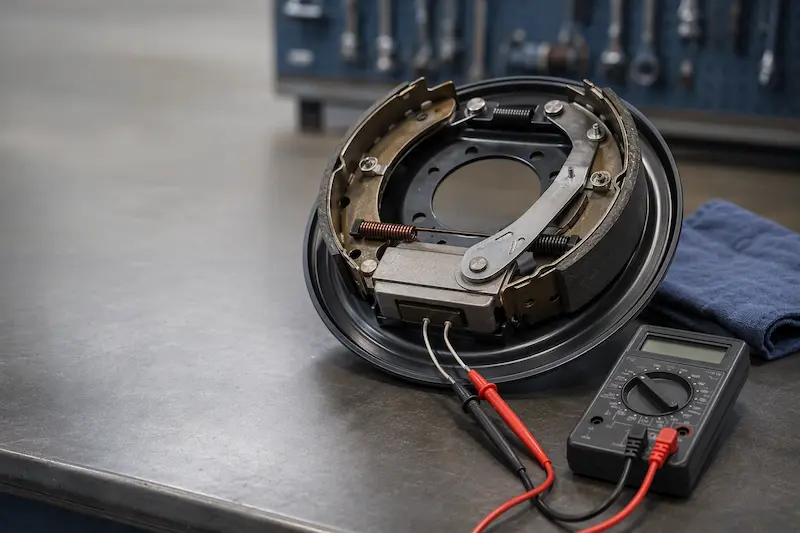
- Brakes
- Tires and wheels
- Coupler
- Leaf springs
The lowest-rated component ultimately limits the trailer’s legal GVWR.
7. Common Trailer Axle Configurations
| GVWR Range | Typical Axle Setup |
|---|---|
| 2,000 – 3,500 lb | Single 3,500 lb axle |
| 5,000 – 7,000 lb | Tandem 3,500 lb axles |
| 8,000 – 10,000 lb | Tandem 5,200 lb axles |
| 12,000 – 14,000 lb | Tandem 7,000 lb axles |
| 18,000 – 21,000 lb | Triple 7,000 lb axles |
These are typical industry practices but can vary depending on design requirements.
8. Example Calculation
Let’s look at a full example.
Trailer empty weight: 3,000 lb
Maximum cargo: 9,000 lb
GVWR:
3,000 + 9,000 = 12,000 lb
Estimated tongue weight (10%):
1,200 lb
Axle load:
12,000 − 1,200 = 10,800 lb
Possible axle options:
- 2 × 5,200 lb axles → 10,400 lb (too small)
- 2 × 6,000 lb axles → 12,000 lb (acceptable)
- 2 × 7,000 lb axles → 14,000 lb (ideal safety margin)
Many manufacturers would select two 7,000 lb axles.
Conclusion
Selecting the correct trailer axle capacity starts with understanding your GVWR, estimating tongue weight, and ensuring the combined axle rating comfortably exceeds the expected axle load. Adding a safety margin and matching all supporting components—such as tires, suspension, and brakes—is essential for a safe and durable trailer design.
By following these steps, you can confidently choose the right axle configuration that balances safety, cost, and performance.
For more details on installation and specifications, visit our official product page or contact our technical support team for personalized assistance.