When it comes to vehicle safety, the braking system plays a crucial role. It doesn’t matter how fast or powerful your car is—if the brakes can’t perform reliably, the risk of accidents skyrockets. Among the most important decisions for drivers and car owners is understanding the difference between drum brakes and disc brakes, and which type is best suited for your vehicle.
What Are Drum Brakes?
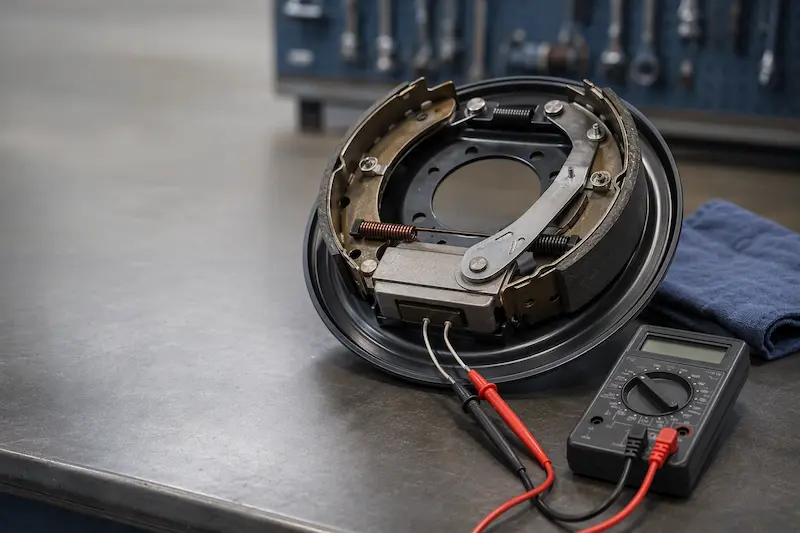
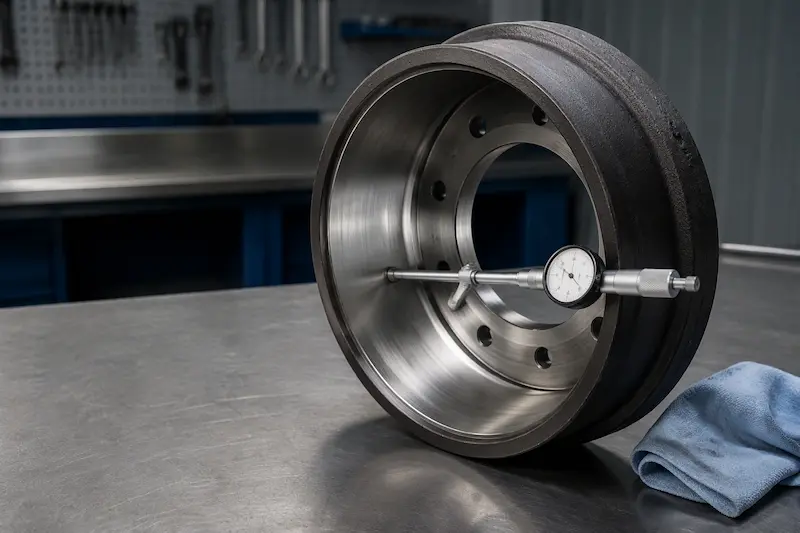
Drum brakes are one of the oldest types of braking systems, and they remain widely used, especially on the rear wheels of many vehicles.
How they work:
-
The brake drum rotates with the wheel.
-
When the driver presses the brake pedal, hydraulic pressure pushes the brake shoes outward.
-
These shoes press against the inside of the drum, creating friction and slowing the vehicle down.
Advantages of drum brakes:
-
Cost-effective to manufacture and replace
-
Durable and long-lasting
-
Enclosed design protects against dust and water
Limitations:
-
Heat dissipation is less efficient, which can lead to brake fade during prolonged braking
-
Slower response compared to disc brakes
-
Heavier design may affect fuel efficiency slightly
What Are Disc Brakes?
Disc brakes are more modern and are standard on most front wheels of today’s vehicles, with some high-performance cars using disc brakes on all four wheels.
How they work:
-
A brake rotor (disc) spins with the wheel.
-
Hydraulic pressure forces the brake pads to clamp onto the rotor.
-
This creates friction that slows down or stops the vehicle.
Advantages of disc brakes:
-
Superior stopping power and quicker response
-
Better heat dissipation, reducing the risk of brake fade
-
Easier to inspect and maintain
Limitations:
-
More expensive to manufacture and replace
-
Pads wear faster than drum shoes in certain conditions
-
Exposed design can be more prone to dirt, dust, or corrosion
Drum Brakes vs. Disc Brakes: Which Should You Choose?
The choice depends on your vehicle type and driving habits:
| Factor | Drum Brakes | Disc Brakes |
|---|---|---|
| Cost | Lower | Higher |
| Maintenance | Less frequent | More frequent |
| Performance | Adequate for low-speed, light vehicles | Excellent for high-speed, heavy vehicles |
| Heat Dissipation | Poor | Excellent |
| Durability | Long-lasting | Pads wear faster |
Recommendation:
-
Small economy cars or vehicles with light rear braking demands: Drum brakes are often sufficient.
-
High-performance cars, SUVs, or vehicles frequently carrying heavy loads: Disc brakes are preferable for better safety and performance.
Conclusion
Both drum and disc brakes have their own strengths and weaknesses. Drum brakes excel in durability and cost, making them ideal for everyday, light-duty vehicles. Disc brakes offer superior performance, especially in demanding conditions, ensuring faster and safer stopping power. Understanding your vehicle’s braking needs can help you make the right choice, keeping you safe on the road.
For more details on installation and specifications, visit our official product page or contact our technical support team for personalized assistance.