In the world of specialized hauling—whether you’re building a custom horse trailer, a heavy-duty equipment hauler, or a low-profile car carrier—a “one-size-fits-all” axle rarely cuts it. Precision is the difference between a trailer that tracks perfectly and one that suffers from premature tire wear, frame stress, or even catastrophic failure.
When ordering a custom axle from a manufacturer like Weifang Top, providing exact measurements is critical. Here is your professional guide on how to specify the three most important dimensions for your custom build.
1. Track Length (Hub Face to Hub Face)
The track length is perhaps the most misunderstood measurement. It determines the width of your trailer’s wheel base and ensures your tires have the proper clearance from the trailer frame.
- How to Measure: Measure the distance from the base of one wheel stud to the base of the stud on the opposite side. This is the surface where the wheel rim actually meets the hub.
- Why it Matters: If the track length is too short, your tires may rub against the trailer chassis or wheel wells. If it is too long, the trailer may exceed legal width limits or put unnecessary leverage stress on the axle spindles.
- Pro Tip: When specifying for a new build, calculate your desired overall trailer width and subtract the tire offset to find your ideal hub-face-to-hub-face dimension.
2. Spring Center Distance
For axles using leaf spring suspensions, the spring center measurement is what dictates exactly where the axle will sit on the trailer’s suspension system.
- How to Measure: Measure from the center of one spring seat (the mounting pad) to the center of the other.
- If you are replacing an axle: Measure from center-bolt to center-bolt on the existing axle beam.
- If you are building from scratch: Measure the distance between the center of your spring hangers already welded to the trailer frame.
- Why it Matters: Even a half-inch discrepancy can force the leaf springs into an angled position, causing “dog-tracking” (where the trailer pulled slightly to one side) and rapid, uneven tire wear.
3. Spindle Specifications and Capacity
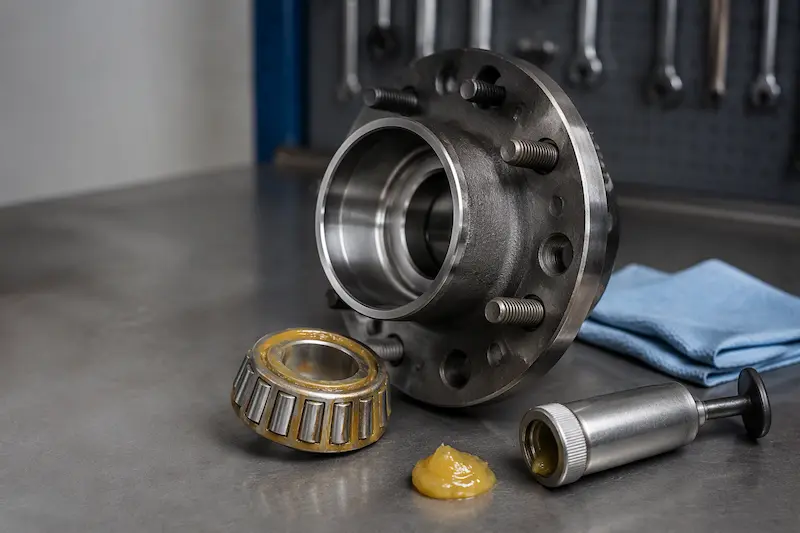
The spindle is the most highly engineered part of the axle. Specifying the right spindle ensures the axle can handle the weight and fit your existing wheels.
- Straight vs. Drop Axles:
- Straight Axles: A simple straight beam for standard ride height.
- Drop Axles: The spindle is offset upwards (usually 4 inches), allowing the trailer frame to sit lower to the ground—perfect for easier loading of cars or livestock.
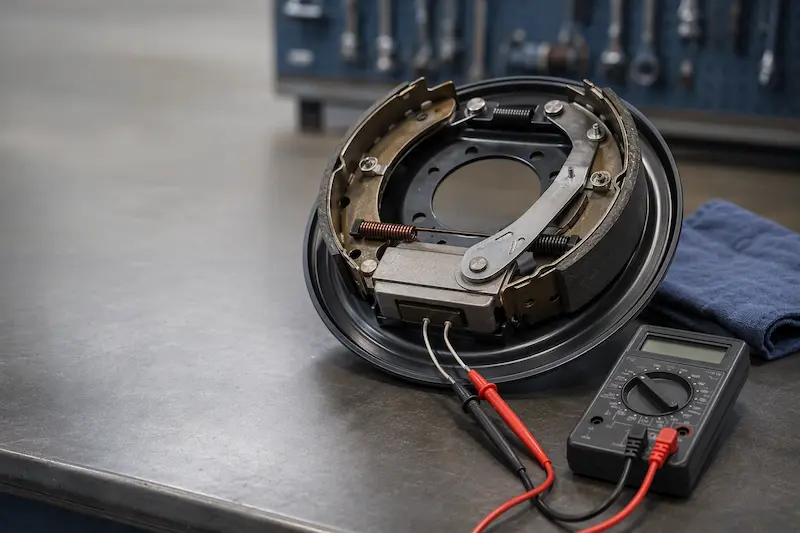
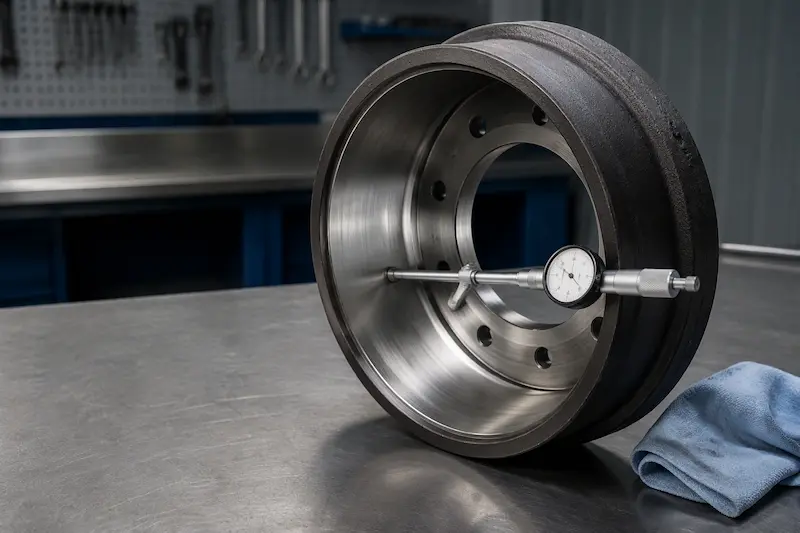
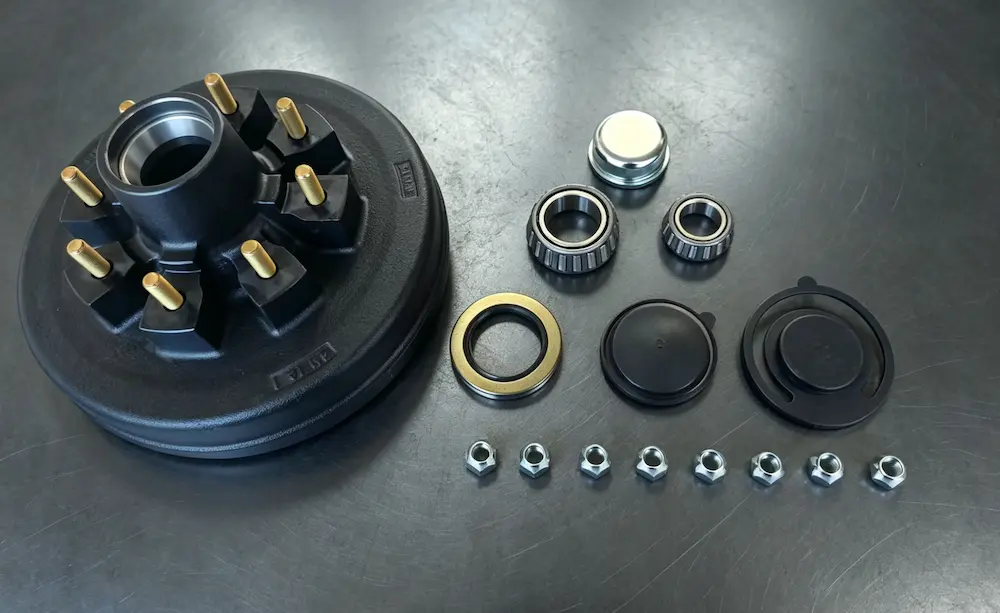
- Bearing and Hub Sizes: You must specify the bearing sizes (inner and outer diameters) and the bolt pattern (e.g., 5-on-4.5, 6-on-5.5). This ensures your brake drums and wheels fit perfectly onto the new spindles.
- Load Capacity: Always specify your Gross Axle Weight Rating (GAWR). At Weifang Top, we offer various spindle grades to support everything from light utility loads to heavy-duty industrial applications.
4. The “Measure Twice, Order Once” Checklist
Before submitting your custom order to our engineering team, verify these three additional details:
- Axle Beam Type: Is it a round tube or a square beam? (Square beams offer more surface area for welding specialized brackets).
- Brake Flange: Do you need a 4-bolt or 5-bolt flange for electric brake assemblies?
- Camber: Does your application require a built-in camber (a slight upward bend in the beam) to ensure the wheels sit flat when the trailer is fully loaded?
Conclusion: Partner with Precision
Ordering custom trailer axles shouldn’t be a guessing game. By providing accurate Hub Face, Spring Center, and Spindle Specs, you ensure a safer, more durable trailer.
At Weifang Top Trailer Accessories, our team of 10 professional engineers specializes in OEM and ODM solutions. We don’t just manufacture parts; we provide technical guidance to help you succeed in your specialized hauling projects.
Ready to start your custom build? Send us your specifications today and let our stamping and machining experts bring your project to life with international-standard precision.