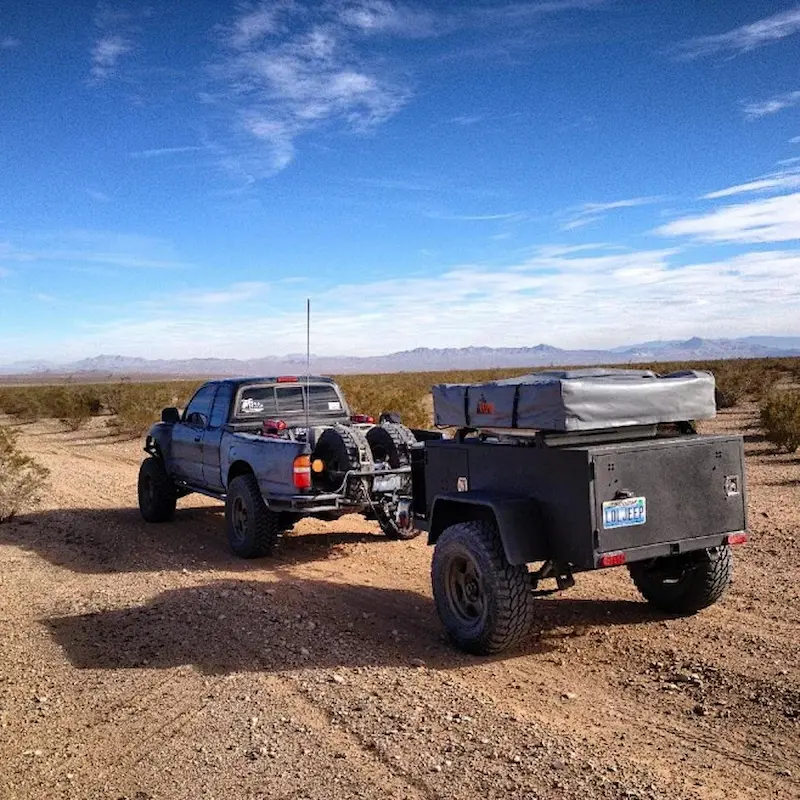
Vehicle bearings play a vital role in ensuring smooth and efficient operation, from wheel hubs to axles and drivetrains. Proper care and maintenance not only extend their lifespan but also help prevent costly breakdowns. This guide outlines the most common types of automotive bearings, key maintenance practices, and tips for selecting the right care strategy based on your vehicle and operating conditions.
Core Maintenance Principles (Applicable to Most Bearings)
1. Regular Inspection and Cleaning
Conduct routine checks on bearing appearance, clearance, raceway and cage wear, sealing condition, and any signs of abnormal noise or overheating. When necessary, disassemble for thorough cleaning and relubrication.
These inspection principles apply broadly to wheel hub bearings, thrust bearings, and similar components.
When cleaning, use an appropriate solvent that won’t damage seals—avoid high-temperature or strong acidic/alkaline cleaners. Always protect components from dust and moisture during the process, and ensure full drying before relubrication or reassembly.
2. Lubrication and Sealing
Always use the manufacturer-recommended grease type and viscosity, and apply the correct amount—over-lubrication can cause heat buildup and attract contaminants. Replace worn seals promptly to maintain protection.
For vehicles operating in harsh conditions (dusty roads, high humidity, frequent short trips), consider bearings with enhanced sealing or maintenance-free designs to reduce service intervals.
3. Installation and Preload
Follow manufacturer torque and preload specifications during installation. Bearings that are too tight or too loose may overheat, develop clearance changes, or fail prematurely.
After assembly, check hub concentricity and verify axial and radial play through test runs and re-inspections.
4. Friction Surfaces and Materials
Ensure rolling elements, raceways, and retainers are made of materials compatible with the bearing type and thermal expansion characteristics of the shaft or hub. This prevents fitment issues under temperature fluctuations.
5. Matching Bearings to the Operating Environment
Select bearings and seals that match your driving conditions—consider resistance to corrosion, temperature variation, and contamination (salt, dust, water, etc.) for optimal durability.
Common Bearing Types and Key Care Points
1. Wheel Hub Bearing Units (Hub Assemblies)
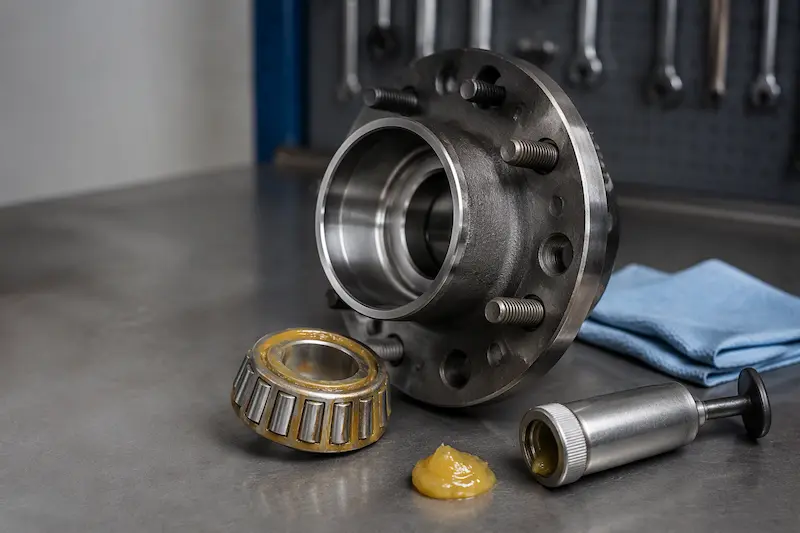
Typically use ball or tapered roller bearings. Focus on sealing integrity, lubrication condition, and precise alignment during installation.
2. Axle-End Bearings (e.g., Thrust or End Cap Bearings)
Pay attention to axial positioning, radial clearance, and seal condition to prevent leaks and premature wear.
3. In-Axle or Sleeve Bearings (Needle or Ball Type)
Ensure proper water and dust sealing. For long-term operation, relubricate periodically and inspect seal integrity.
4. Bearings for Overhaul or Replacement
When disassembling, document bearing appearance, lubricant residue, cage wear, and clearance changes. Replace entire assemblies if necessary to ensure compatibility and reliability in reinstallation.
Choosing the Right Maintenance Strategy
If You Prefer Low Maintenance
Opt for maintenance-free or long-life bearings with superior seals. Ensure dust caps and cover plates are intact to preserve their performance.
If You Operate in Dusty or Wet Environments
Choose bearings with high-grade sealing, corrosion-resistant materials, and temperature-stable lubricants. Consider designs with ventilation or dust ejection features.
If You’re Comparing Different Bearing Types
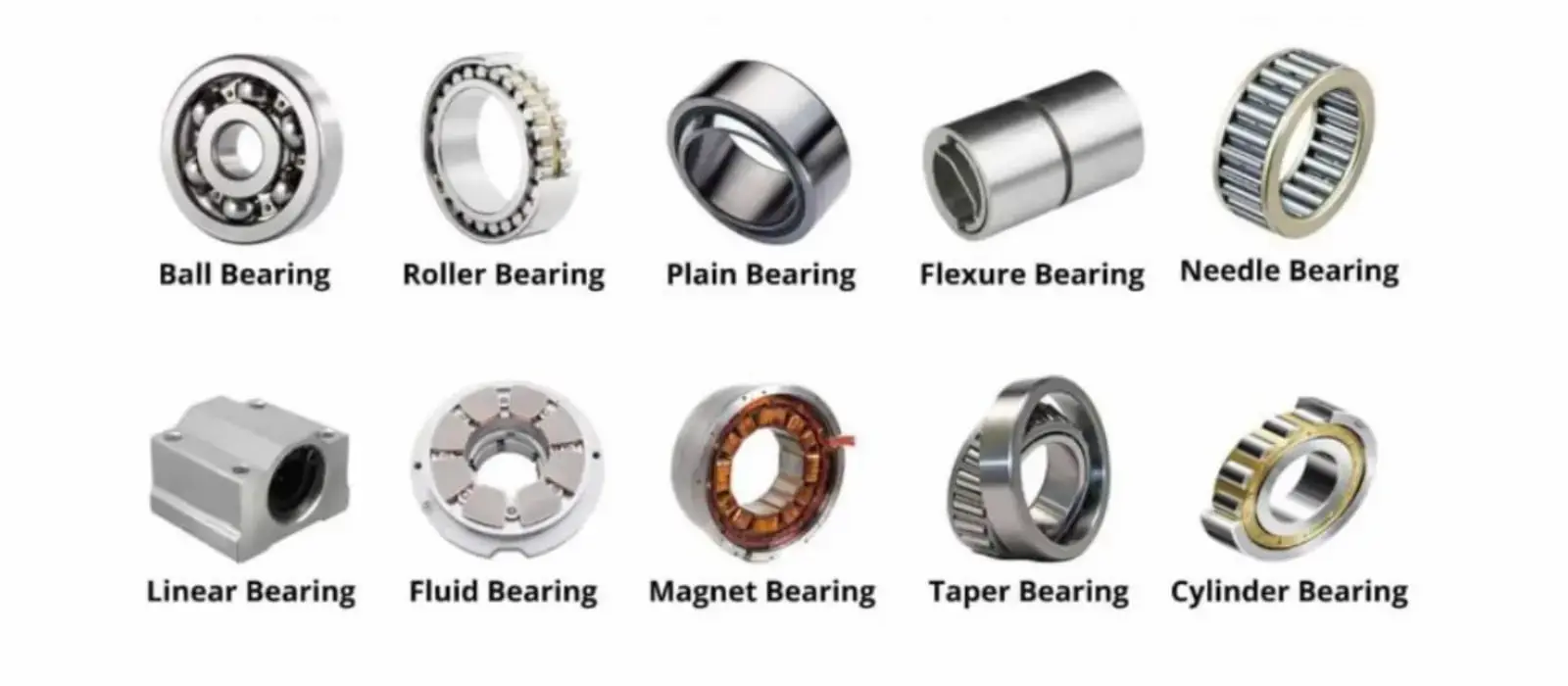
Evaluate rolling element type (ball, tapered, needle, etc.), load orientation (radial/axial), enclosure design (open/sealed), and thermal characteristics. Balance maintenance cost against expected service life.
For a Tailored Maintenance Plan
To create a customized care checklist or replacement parts list, please provide:
-
Vehicle type and usage (e.g., passenger car, truck, trailer, off-road)
-
Current bearing type/model (e.g., wheel hub, tapered roller, etc.)
-
Operating environment (e.g., coastal/salty air, dusty roads, frequent water exposure)
-
Preferred maintenance interval (by distance or time)
-
Need for maintenance-free or extended-lifetime options
Based on this information, a detailed maintenance guide and compatible parts list can be developed for your specific setup.
For more details on installation and specifications, visit our official product page or contact our technical support team for personalized assistance.