You tow a camper down a rough two-lane and feel every expansion joint through the frame. Your cargo rattles, your load shifts, and you start wondering whether a different suspension would fix the ride. The answer usually comes down to two designs: the traditional leaf spring suspension and the rubber-cord torsion axle.
Both systems hold up the trailer, but they behave very differently on the road. Weifang Top Trailer Accessories builds torsion axles, trailer axle assemblies, and leaf-spring-compatible axle components for trailers shipped worldwide. This comparison helps you choose the trailer suspension that matches your load, your budget, and your roads.
How Leaf Spring Suspension Works
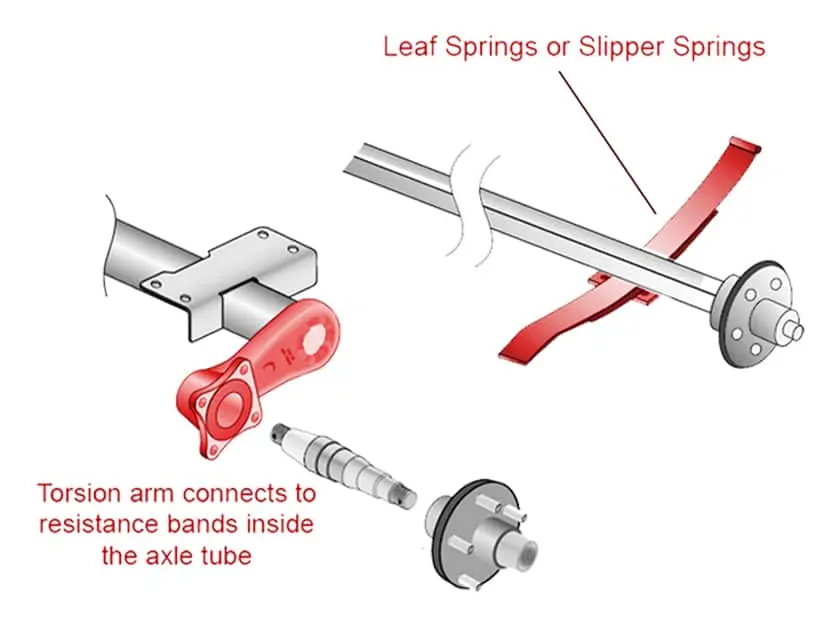
A leaf spring suspension carries the axle on a stack of curved steel leaves. The spring pack mounts to the frame through hangers and shackles, and it flexes as the wheels roll over bumps. This design has supported trailers for over a century because it works, costs little, and carries heavy loads.
Pros:
- Lower purchase price and widely available replacement parts
- High load capacity, especially in multi-leaf configurations
- Simple to inspect and repair with basic tools
- Allows some ride-height adjustment by changing the spring pack
Cons:
- Harsher ride because the springs transfer more road shock to the frame
- Moving parts — bushings, shackles, and bolts — wear and need attention
- The axle acts as a rigid beam, so one wheel’s bump affects the other side
- More prone to sway when heavy loads sit high
How Torsion Axle Suspension Works
A torsion axle hides the spring inside the axle tube itself. Rubber cords run along the inside of the tube, and a trailing arm connects each wheel to those cords. When the wheel hits a bump, the arm twists against the rubber, which absorbs the energy. Dexter’s TORFLEX design works exactly this way: the suspension sits fully sealed inside the axle, with no external springs to maintain.
Pros:
- Smoother ride because each wheel moves independently
- Sealed rubber suspension — no bushings, shackles, or lubrication needed
- Quiet operation with fewer parts to rattle
- Lower ride height and a clean undercarriage
Cons:
- Higher purchase price than a leaf spring setup
- A damaged unit usually means replacing the whole axle
- Fixed ride height — you cannot adjust it like a spring pack
- Load capacity varies by model, so you must match the rating carefully
Side-by-Side Comparison
| Feature | Leaf Spring | Torsion Axle |
|---|---|---|
| Ride comfort | Moderate | Excellent |
| Wheel independence | No (rigid beam) | Yes (per wheel) |
| Maintenance | Bushings, shackles, bolts | Sealed, near-zero |
| Purchase cost | Lower | Higher |
| Repair | Cheap, part-by-part | Usually full axle replacement |
| Load capacity | High, configurable | Model-specific |
| Ride height | Adjustable | Fixed |
| Best for | Heavy loads, budget builds | Campers, boats, sensitive cargo |
Which Gives a Better Ride?
For pure ride quality, the torsion axle wins almost every time. Independent action means a pothole under the left wheel does not jolt the right side, and the rubber cords absorb high-frequency vibration that steel springs transmit straight into the frame. Cargo stays calmer, china cabinets stay intact in campers, and boat trailers launch and retrieve without harsh slams.
That said, leaf springs still dominate heavy-duty work. A multi-leaf setup handles big payloads at a fraction of the torsion price, and a bent spring or worn bushing costs little to replace on the roadside. On a loaded utility trailer or equipment hauler, the rougher ride rarely matters.
In practice, your decision comes down to three questions:
- What do you carry? Fragile or sensitive cargo — choose torsion. Dense, heavy loads — leaf springs handle them better.
- How far and how often do you tow? Long highway miles at speed reward the smooth, low-maintenance torsion axle.
- What does your frame accept? Torsion axles bolt to a flat frame surface at a fixed height; leaf springs need hangers and shackles already in place.
Check These Before You Switch
Swapping suspension types is not a bolt-on decision. Verify the following first:
- GAWR match. The new axle must carry your loaded weight with margin. Our guide to trailer axle load capacity and GAWR walks you through the calculation.
- Mounting geometry. Torsion axles require precise bracket placement for correct alignment; leaf spring conversion needs hanger positions and spring length matching.
- Ride height. A torsion axle changes the coupler height, which affects hitch ball height and tongue load.
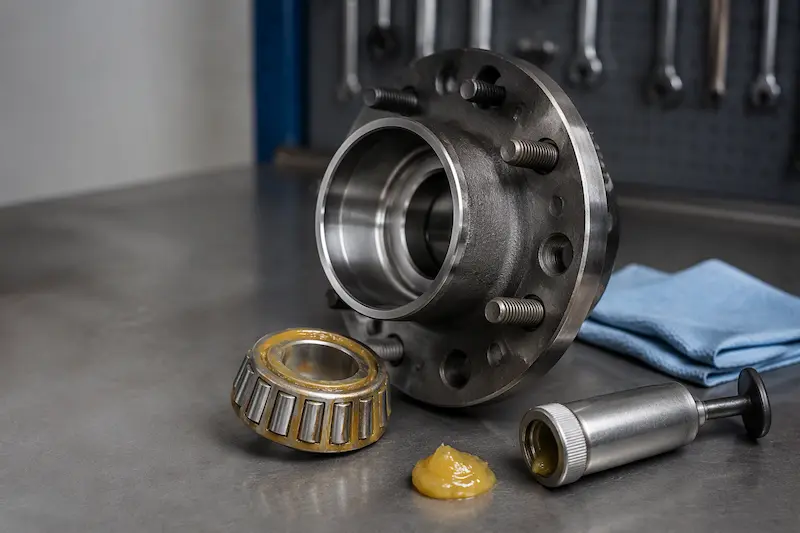
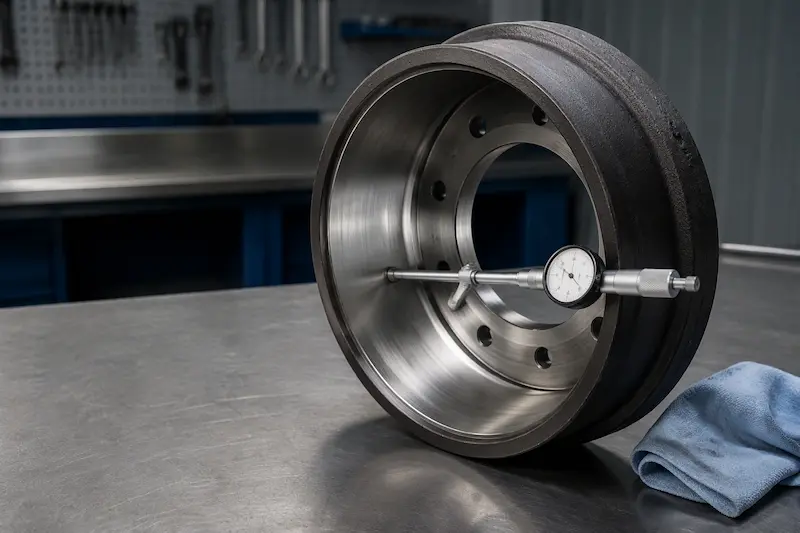
- Spindle and hub compatibility. Confirm the spindle size and hub bolt pattern match your existing wheels and brake assemblies, or budget for new ones.
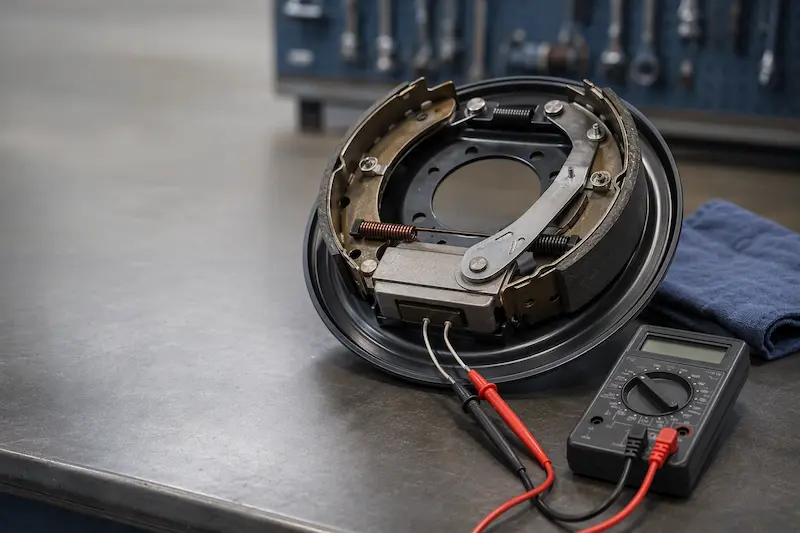
- Brake wiring and hubs. The axle choice does not change the brake and hub components, but you need them to fit the new spindle.
For marine use, also consider corrosion resistance: galvanized boat trailer axles extend service life in salt water, whether you choose torsion or spring suspension.
FAQ
1. Do torsion axles really ride smoother than leaf springs? Yes, in most cases. Each wheel moves independently and the rubber cords absorb vibration that steel leaf springs transfer to the frame. On rough roads the difference feels obvious, especially with sensitive cargo.
2. Which suspension carries more weight? Leaf spring suspensions generally support heavier loads for less money, because you can add leaves to increase capacity. Torsion axles carry plenty for campers and boats, but you must select the exact model rated for your gross axle weight.
3. Can I convert my trailer from leaf springs to torsion axles? Yes, but the conversion requires new mounting brackets, correct alignment, and a ride-height check. Budget for fabrication if your frame needs adapter brackets, and verify the GAWR before you commit.
4. How long do torsion axles last? A quality torsion axle lasts 10 to 15 years or more with no suspension maintenance, since the rubber cords stay sealed inside the tube. Heat, overloading, and constant rough use shorten that life.
5. Why do leaf spring trailers sway more? The rigid beam axle couples the wheels, so side loads transfer across the trailer, and worn bushings add slop. Torsion axles damp that movement with independent action and sealed mounts.
6. Are torsion axles worth the extra cost? For campers, boat trailers, and any rig carrying fragile cargo, yes — the smoother ride, quiet operation, and zero suspension maintenance justify the premium. For heavy work trailers on a budget, leaf springs still deliver the best value.
Conclusion
Choose the suspension that fits your trailer’s real job. Torsion axles deliver the best ride with independent action and sealed, maintenance-free design — ideal for campers, boats, and long highway miles. Leaf spring suspensions remain the affordable workhorse for heavy loads and budget builds. Match the choice to your payload, your roads, and your frame, and your trailer will tow the way you expect.
If you need help selecting a torsion axle, axle assembly, or related components for your build, contact the Weifang Top team — they supply OEM and ODM axle products to markets worldwide. Send your trailer specifications and let the engineers recommend the right setup for your ride.