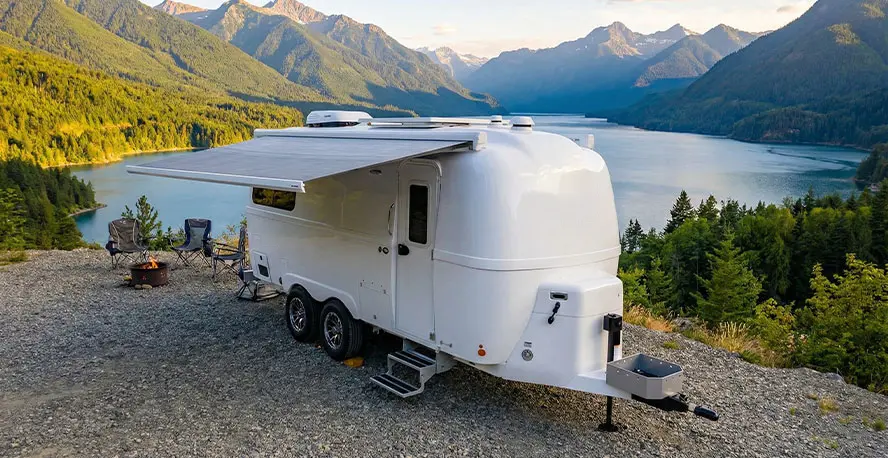
The mobile food industry has exploded far beyond the classic hot dog cart. Today’s streets are filled with gourmet coffee bars, mobile pet grooming salons, pop-up retail boutiques, and full-scale commercial kitchens on wheels. These specialty mobile units share one common engineering challenge: they are not standard cargo trailers, and they cannot use standard axles.
At Top Axles, we understand that a food truck’s axle system must solve two critical problems simultaneously—managing unpredictable weight distribution and achieving a low-profile deck height for safe urban operation. Here is why custom axle solutions are essential for mobile businesses.
1. The Weight Distribution Challenge
Unlike a flat utility trailer where cargo is evenly distributed, a food truck carries a concentrated, permanent load. Think about the layout of a typical mobile kitchen:
- Heavy equipment clusters: A commercial deep fryer, stainless steel refrigerator, griddle, and ventilation hood can weigh over 1,500 lbs—all concentrated in the rear or on one side.
- Water and fuel tanks: Fresh water tanks (often 40-60 gallons) and grey water holding tanks add significant dynamic weight that shifts during transport.
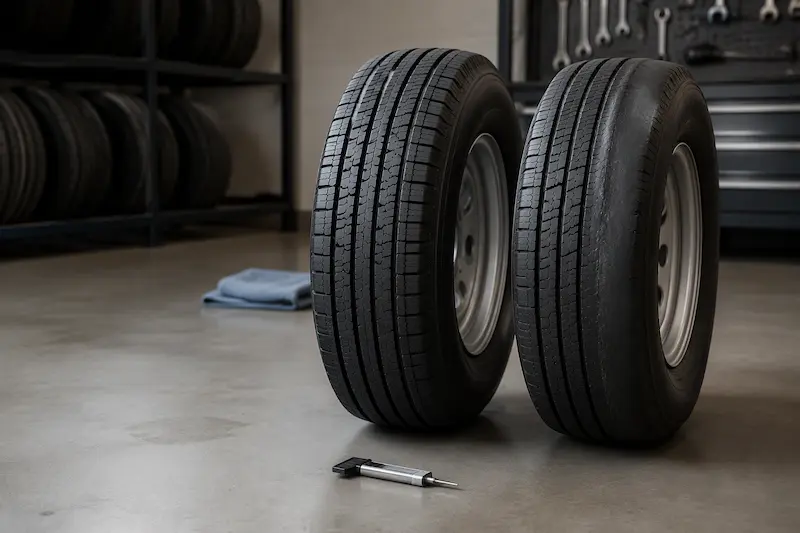
- Uneven axle loading: Without proper calculation, one axle in a tandem setup might carry 60% of the load while the other carries only 40%, leading to premature tire wear, suspension sag, and dangerous handling.
The Custom Solution: Our engineering team works with food truck manufacturers to calculate the exact static load on each axle position. We then specify the appropriate spring rating, axle wall thickness, and hub face dimensions to ensure every pound is safely supported. This prevents frame twist, extends tire life, and provides confident braking performance even when the fryer is full.
2. Low-Profile Requirements: Keeping the Kitchen Accessible
Urban mobile businesses thrive on accessibility. If customers have to climb three steep steps to reach your service window, you will lose sales—and risk ADA compliance issues.
A “low-profile” or “drop axle” configuration is non-negotiable for food trucks. By integrating a vertical offset into the axle beam, the trailer frame can sit several inches lower to the ground while maintaining sufficient wheel clearance within the fender wells.
Benefits of a Custom Low-Profile Axle:
- Reduced Step Height: A deck that sits 4-6 inches lower means fewer and safer steps for customers, especially elderly or disabled patrons.
- Improved Stability: A lower center of gravity reduces body roll and sway, which is critical when driving a tall, boxy vehicle through city traffic.
- Door-to-Curb Clearance: Custom drop axles can be calibrated to ensure the service door sits at the optimal height relative to standard curbs.
3. Urban-Specific Demands: Braking and Maneuverability
Operating on busy city streets presents unique mechanical demands that standard axles cannot address:
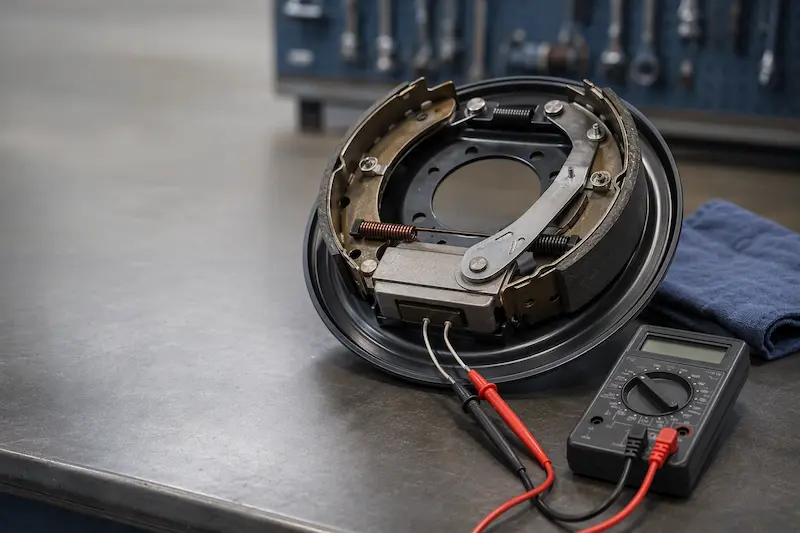
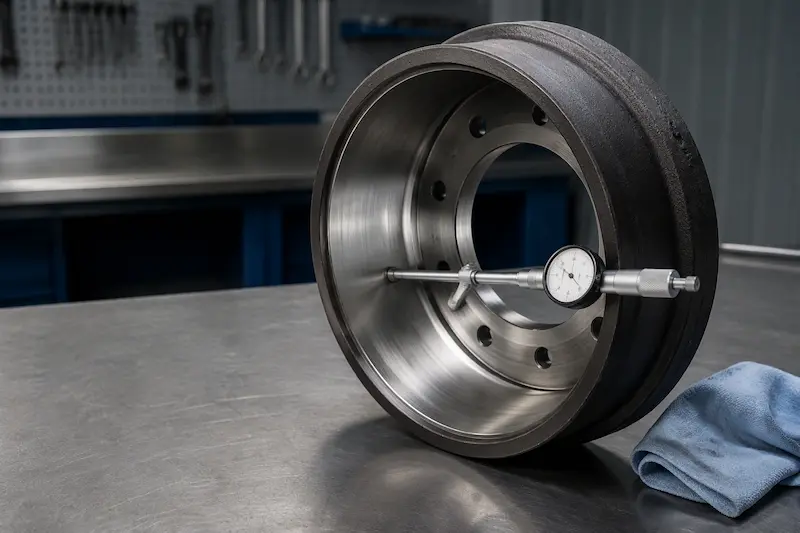
- Frequent Braking: Stop-and-go traffic and pedestrian crossings demand high-performance electric or hydraulic braking systems that do not fade under repeated use.
- Turning Radius: Narrow streets and tight parking lots require axles with specialized track widths and steering configurations to prevent the tires from rubbing against the chassis during sharp turns.
- Smooth Ride Quality: The axle suspension must absorb potholes and speed bumps without shaking up your kitchen equipment or causing plates and glassware to rattle.
4. Material and Coating Considerations
Food trucks often operate near waterfronts, in rainy climates, or require frequent power washing for health code compliance. A standard bare-steel axle will rust quickly in these conditions.
At Top Axles, we offer:
- Corrosion-Resistant Finishes: Powder coating or galvanized treatments that withstand constant exposure to water, road salt, and cleaning chemicals.
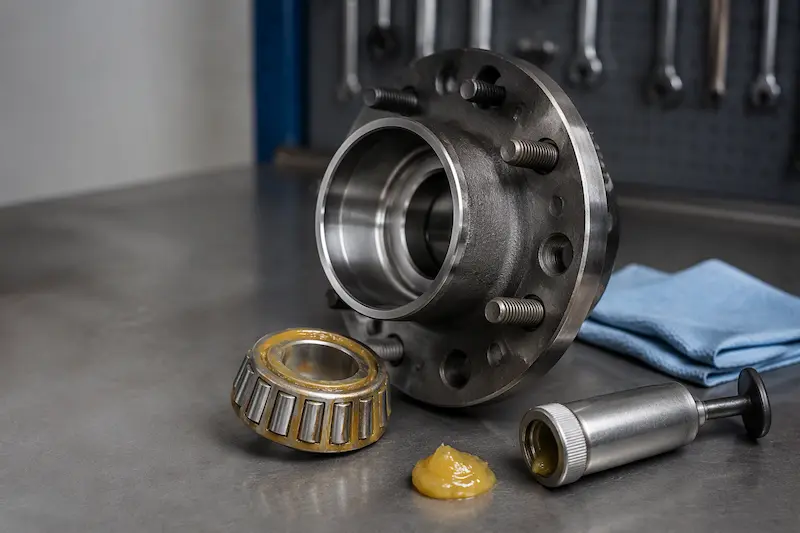
- Sealed Bearing Hubs: Preventing water and grease contamination during high-pressure washing.
- Stainless Steel Hardware: For components exposed to food preparation areas.
5. Customization Checklist: What to Discuss with Your Axle Supplier
When ordering axles for a specialty food truck or mobile unit, provide your manufacturer with these specifications:
- Total Gross Vehicle Weight Rating (GVWR) — including the fully loaded kitchen.
- Axle load per position — front vs. rear weight bias.
- Desired deck height — measured from ground to interior floor.
- Wheel and tire size — to ensure proper fender clearance.
- Braking preference — electric or hydraulic disc/drum.
- Special features — parking brake integration, ABS sensor mounts, or custom spring centers.
Conclusion: Built for the Business
A standard off-the-shelf axle was never designed to carry a pizza oven and a soft-serve machine through downtown traffic. Custom axle solutions give food truck builders and mobile business owners the confidence to operate safely, serve customers comfortably, and protect their investment for years to come.
At Top Axles, our experienced engineering team specializes in low-profile, custom-spec axle configurations tailored to the unique demands of mobile businesses. With export experience across the US, Canada, and Australia, we deliver precision-manufactured solutions that help your mobile business roll smoothly.
Building a food truck or mobile unit? Request a Custom Axle Consultation or Browse our Axle Capabilities.