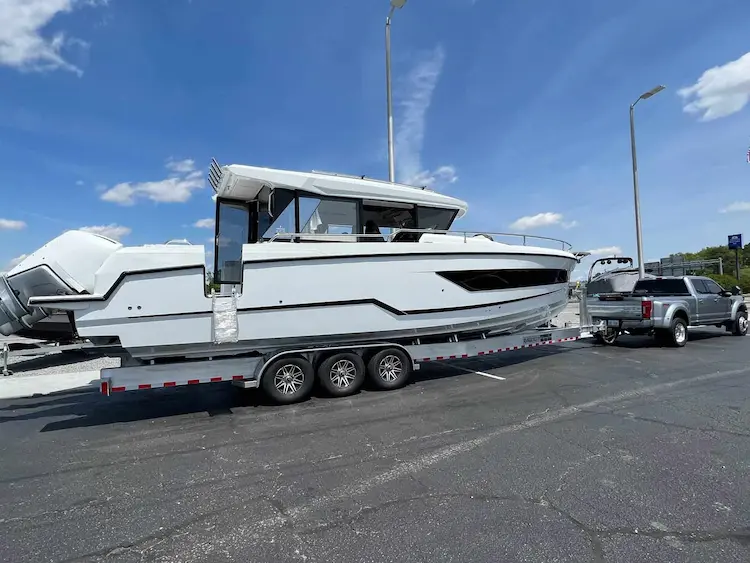
Your trailer axle is the backbone of your hauling setup. It bears the entire weight of your cargo and endures the constant friction of the road. While high-quality axles from manufacturers like Weifang Top are built for heavy-duty performance, their longevity depends heavily on consistent maintenance.
Neglecting your axles doesn’t just lead to expensive repairs; it creates significant safety risks. To keep your trailer running smoothly for years to come, follow this complete guide focusing on the three pillars of axle health: Lubrication, Seal Inspection, and Rust Prevention.
1. Proper Lubrication: The Lifeblood of Your Axle
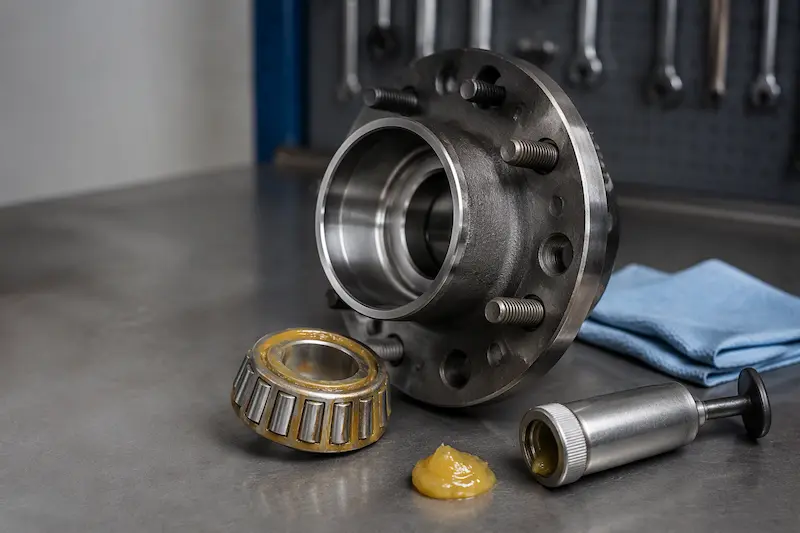
Friction is the primary enemy of moving parts. Within the hub assembly, bearings must rotate thousands of times per mile. Without adequate lubrication, heat builds up rapidly, leading to “bearing burnout” which can cause the wheel to lock up or even detach.
- Choose the Right Grease: Always use a high-quality, high-temperature lithium-complex wheel bearing grease. For boat trailers, ensure you use a “Marine Grade” grease that won’t emulsify when exposed to water.
- Establish a Schedule: For standard utility trailers, we recommend repacking bearings every 12 months or 12,000 miles. However, if you are operating boat trailers in saltwater, this should be done every season.
- The EZ-Lube Advantage: If your TopAxles come equipped with EZ-Lube zerks, maintenance is simplified. However, remember that “adding” grease isn’t a substitute for a full inspection. Occasionally, you must remove the hub to inspect the condition of the old grease for metal shavings or contamination.
2. Inspecting Seals and Bearings: Your First Line of Defense
The grease seal (or oil seal) has a dual job: keeping the lubricant in and keeping contaminants out. Once a seal fails, road grime, dust, and water enter the hub, turning your lubricant into an abrasive paste.
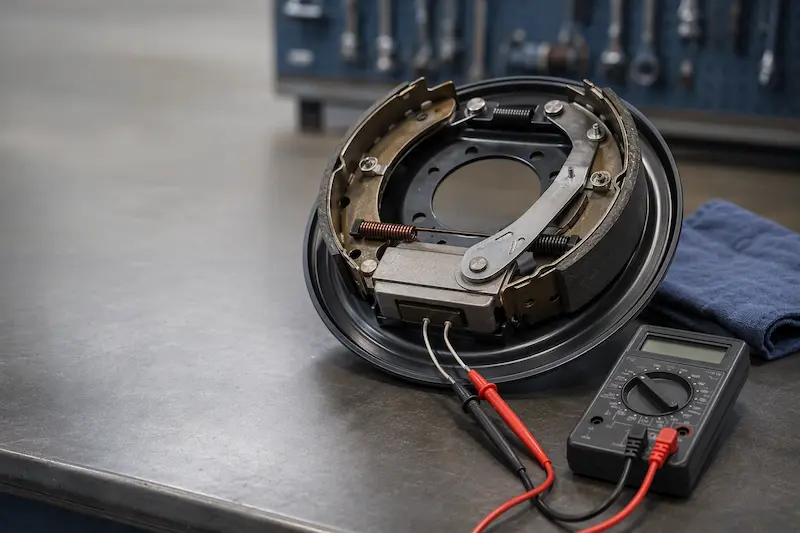
- Look for Leaks: Check the inner side of the wheel hub. If you see grease splattered on the braking plate or the rim, your seal is likely blown.
- The “Wobble” Test: Jack up your trailer and safely spin the wheel. Listen for any grinding or clicking sounds. Grab the wheel at the top and bottom and try to rock it. If there is excessive movement (more than 1/8th of an inch), your bearings may need adjustment or replacement.
- Replace, Don’t Reuse: Grease seals are designed for one-time use. Any time you pull the hub to inspect the bearings, always install a brand-new, high-quality seal to ensure a tight fit.
3. Rust Prevention and Surface Protection
Whether you are hauling across the snowy roads of Canada or launching a boat in the Australian coast, corrosion is a silent killer of steel axles.
- Rinse After Salt Exposure: Saltwater and road salts (used for de-icing) accelerate oxidation. After every trip in these environments, thoroughly wash the axle, springs, and hubs with fresh water.
- Inspect the Coating: Most axles come with a protective paint or powder coating. Over time, road debris can chip this surface, exposing raw steel. Periodically inspect the axle beam and touch up any exposed spots with a rust-inhibiting primer and paint.
- Consider Galvanization: For maximum protection, especially for boat trailers, hot-dip galvanized axles are the gold standard. They provide a metallurgical bond that offers superior resistance to saltwater environments.
4. Don’t Forget Weight Distribution
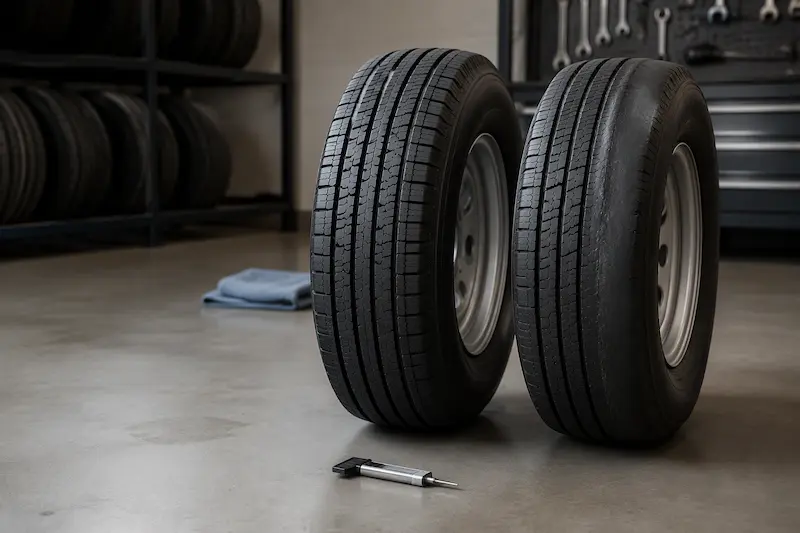
While lubrication and rust prevention are critical, the way you load your trailer affects axle life. Overloading or uneven weight distribution puts localized stress on one side of the axle, leading to bent spindles and uneven tire wear. Always ensure your load is balanced and within the G.V.W.R. (Gross Vehicle Weight Rating) specified by the manufacturer.
Conclusion
A well-maintained axle is the difference between a successful haul and a dangerous breakdown. By staying disciplined with lubrication, replacing seals proactively, and fighting rust, you protect your investment and ensure road safety.
At Weifang Top Trailer Accessories, we provide precision-engineered axles and braking systems designed to withstand the toughest conditions. Looking to upgrade your trailer’s performance? Contact our technical team today for expert advice on sourcing the right components for your fleet.