
When it comes to trailer performance, safety, and longevity, no component is more critical than the Trailer Axle Assembly. Often referred to as the “backbone” of the trailer, the axle assembly does far more than just hold the wheels; it supports the entire weight of the cargo, absorbs road shocks, and ensures smooth tracking.
In this guide, we will break down the components of a trailer axle assembly, explore the different types available, and provide essential maintenance tips for fleet managers and trailer owners.
1. What Makes Up a Trailer Axle Assembly?
A complete axle assembly is a sophisticated system of integrated parts. Understanding these components is vital for proper sourcing and repair:
- The Axle Beam: The main structural tube. It can be straight or “dropped” (to lower the trailer bed).
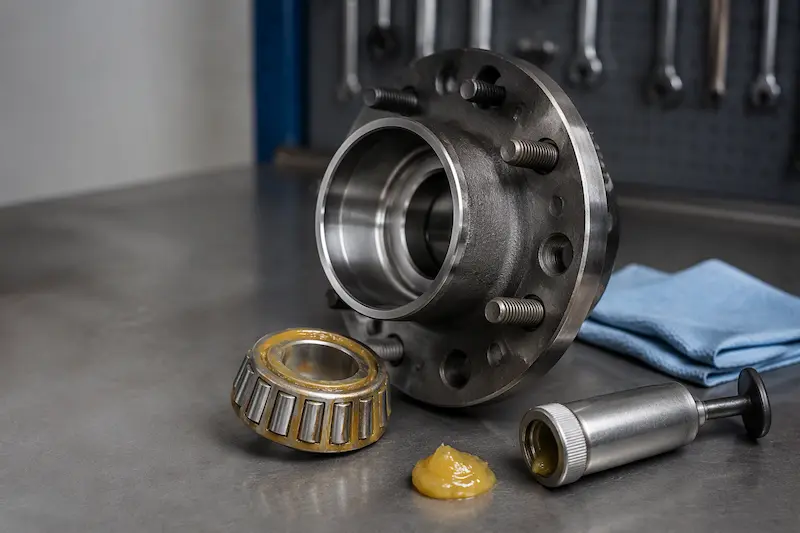
- Spindles: Located at both ends of the beam, these are the precision-machined surfaces where the hubs and bearings sit.
- Hubs: The mounting point for the wheels.
- Bearings and Seals: These allow the hub to rotate smoothly around the spindle while keeping grease in and contaminants out.
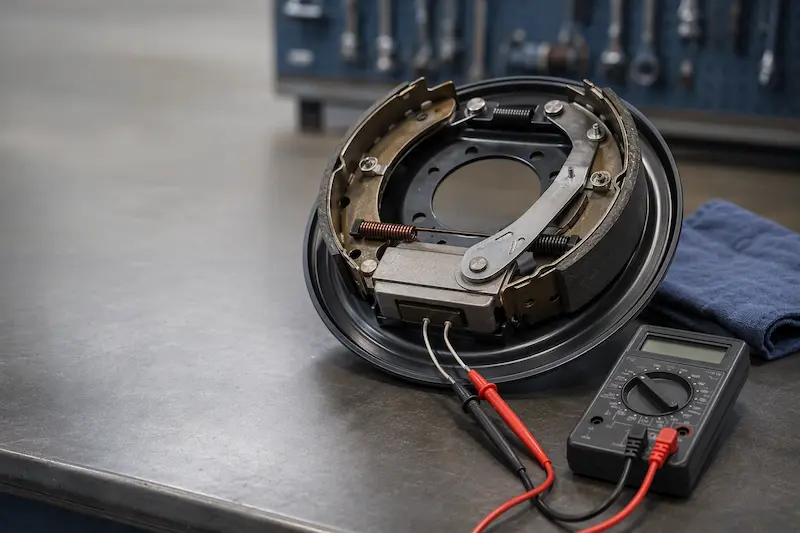
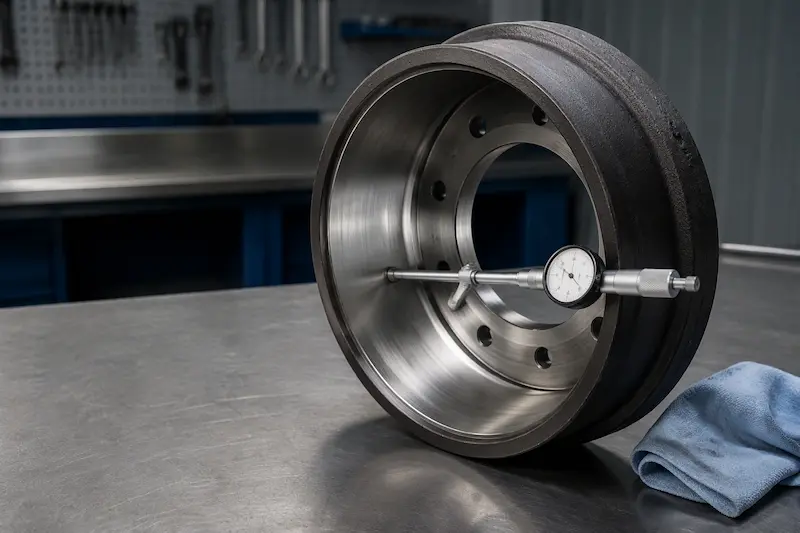
- Braking System: Depending on the trailer’s capacity, this includes electric or hydraulic drum brakes (or disc brakes).
- Suspension Interface: The points where leaf springs or torsion arms connect the axle to the trailer frame.
2. Leaf Spring vs. Torsion Axles: Which is Right for You?
Most trailers utilize one of two primary axle designs. Choosing the right one depends on your specific application.
Leaf Spring Axles
The most traditional design, utilizing stacked steel springs.
- Pros: Highly durable, easy to repair, and cost-effective. They offer excellent “load sharing” in multi-axle configurations.
- Best For: Utility trailers, heavy-duty equipment haulers, and livestock trailers.
Torsion Axles
These use thick rubber cords inside the axle tube to provide suspension.
- Pros: Smoother ride, quieter operation, and no metal-on-metal moving parts (which means less maintenance). They also allow for a lower ride height.
- Best For: Boat trailers, horse trailers, and enclosed cargo trailers carrying sensitive goods.
3. How to Choose the Correct Axle Assembly
Selecting the wrong axle can lead to catastrophic structural failure. When sourcing a replacement or designing a new trailer, consider these three factors:
- Weight Capacity (GAWR): Always ensure the Gross Axle Weight Rating (GAWR) exceeds your maximum expected load. Common capacities range from 2,000 lbs to over 15,000 lbs for heavy-duty applications.
- Hub Face Measurement: This is the distance from the outside of one hub flange to the other. It determines the track width of your trailer.
- Spring Center Measurement: For spring axles, this is the distance between the centers of the spring seats welded onto the axle.
4. Maintenance: Extending the Life of Your Assembly
A well-maintained axle assembly can last for decades. Neglect, however, can lead to roadside breakdowns.
- Grease Your Bearings: Whether you use a standard grease cap or an EZ-Lube system, ensure your bearings are packed with high-quality marine-grade or high-temp grease every 12 months or 12,000 miles.
- Inspect the Seals: If you see grease leaking onto the inside of the wheel, your seal has failed. Replace it immediately to prevent bearing burnout.
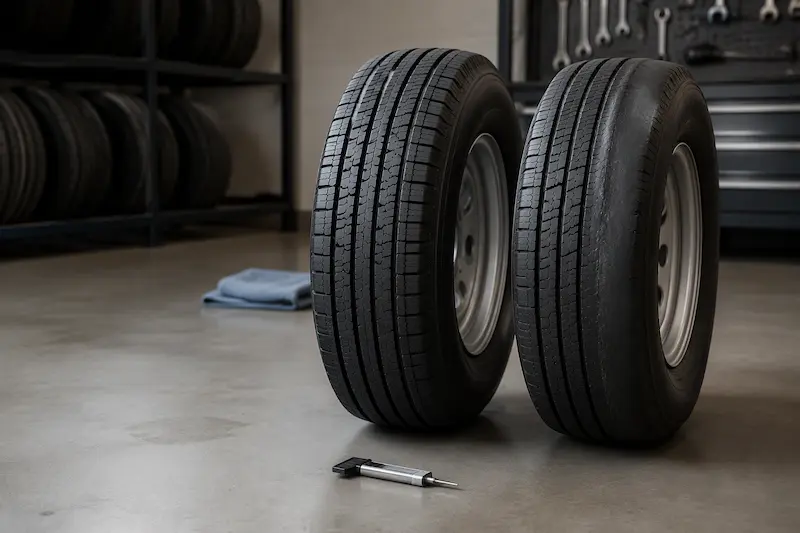
- Check for Alignment: If your tires are wearing unevenly, your axle beam might be bent or out of alignment. Even a slight bend can significantly increase fuel consumption and tire costs.
- Brake Inspection: Check brake shoe thickness and ensure the magnets (on electric brakes) are engaging evenly.
Conclusion
The trailer axle assembly is a “set it and forget it” component for many, but it deserves top priority in your maintenance and sourcing strategy. By choosing high-quality materials and performing regular inspections, you ensure that your trailer remains safe, efficient, and ready for the long haul.
Need High-Quality Trailer Parts?
We specialize in precision-engineered trailer axle assemblies tailored to your specific load requirements. From custom hub faces to heavy-duty braking systems, we provide the reliability you need to keep moving.
[Contact Us for a Quote]