In the transportation and logistics industry, downtime is more than an inconvenience — it is a direct cost. Delayed deliveries, unexpected repairs, and idle equipment all impact profitability and customer satisfaction. While many factors contribute to trailer reliability, one of the most critical is axle design.
A well-engineered trailer axle does more than carry weight. It improves durability, reduces maintenance frequency, and keeps fleets moving efficiently. Below, we explore how better trailer axle design plays a key role in minimizing downtime.
The True Cost of Downtime
Every hour a trailer sits in the yard instead of on the road represents lost revenue. Downtime can result from:
-
Bearing failures
-
Brake system malfunctions
-
Axle misalignment
-
Structural fatigue
-
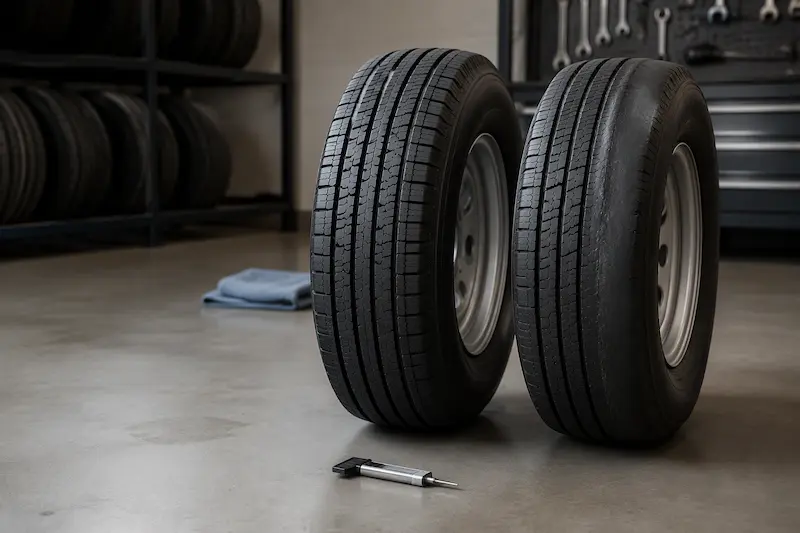
Excessive tire wear
Many of these issues are directly linked to axle performance and design quality. Investing in better axle engineering upfront often reduces long-term operational disruptions.
1. Stronger Materials for Greater Durability
Material selection is fundamental to axle longevity. High-strength alloy steel and properly heat-treated components increase resistance to bending, cracking, and fatigue.
Key improvements include:
-
Thicker wall tubing for heavy-duty applications
-
Precision heat treatment for spindles
-
Enhanced weld integrity and structural reinforcement
Stronger materials mean axles can handle repeated stress cycles without premature failure, especially in demanding commercial environments.
2. Optimized Load Distribution
Poor load distribution accelerates wear on bearings, tires, and suspension components. Advanced axle design focuses on maintaining structural balance and minimizing stress concentration points.
Modern engineering techniques such as finite element analysis (FEA) allow manufacturers to identify weak areas before production. The result is improved weight distribution and reduced risk of deformation under heavy loads.
Better load distribution directly translates to fewer mechanical issues and longer service intervals.
3. Integrated Suspension Systems
Axle and suspension must function as a unified system. Designs that integrate suspension components more effectively help absorb road shock and reduce vibration.
For example:
-
Torsion axles provide independent wheel movement, reducing impact stress.
-
Properly aligned leaf spring systems improve stability and minimize uneven tire wear.
Reduced vibration not only protects the axle but also preserves cargo and surrounding trailer components.
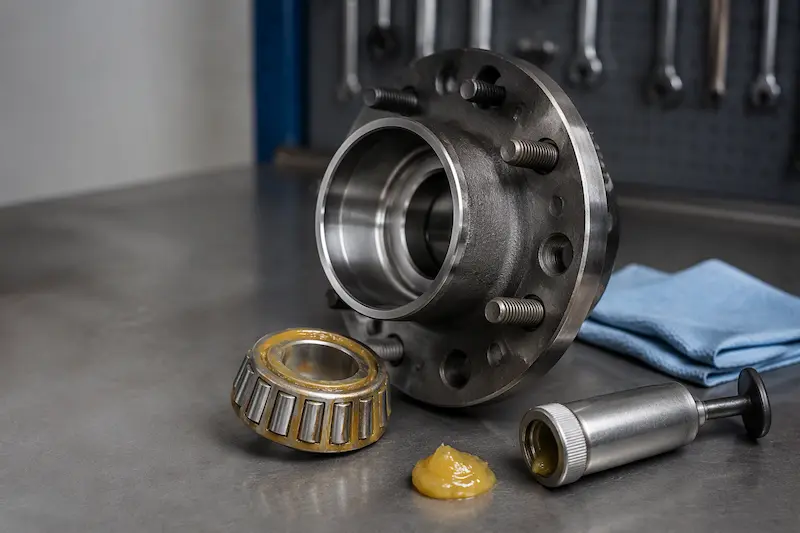
4. Enhanced Bearing and Hub Design
Bearing failure is one of the most common causes of trailer downtime. Improved hub and spindle designs reduce friction and heat buildup, extending component life.
Key design considerations include:
-
High-quality tapered roller bearings
-
Improved sealing systems to prevent contamination
-
Optimized grease channels for consistent lubrication
Better sealing systems are especially important for trailers operating in wet, dusty, or corrosive environments.
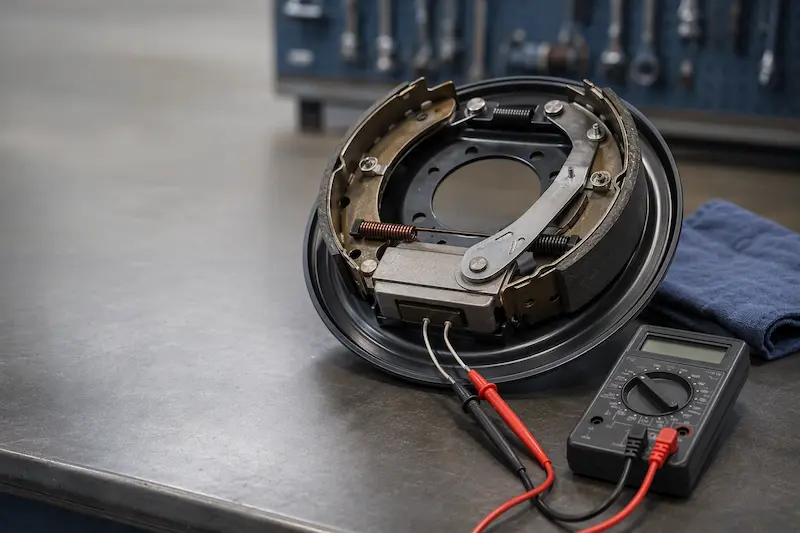
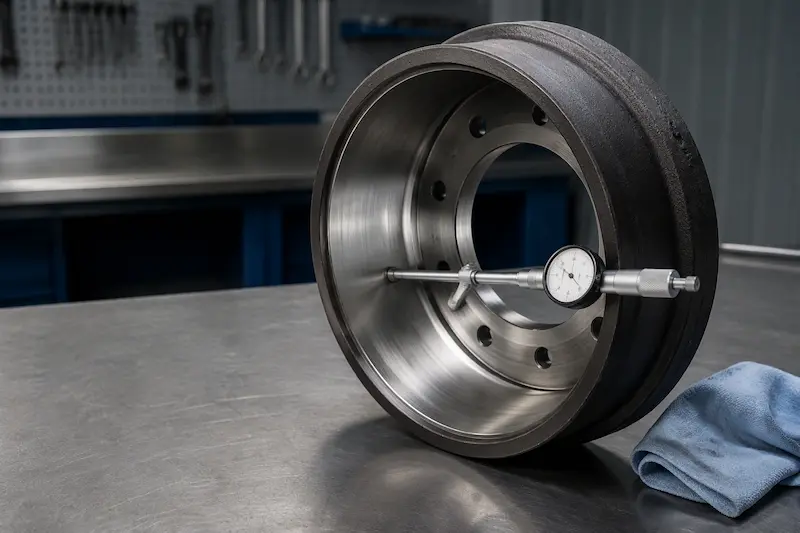
5. Improved Brake Integration
Reliable braking systems are essential for safety and operational efficiency. Axle designs that support seamless brake integration reduce installation errors and maintenance complexity.
Features that reduce downtime include:
-
Pre-configured brake mounting systems
-
Compatible electric or hydraulic brake options
-
Simplified wiring access
Efficient brake integration shortens service time and reduces the likelihood of recurring issues.
6. Corrosion Resistance for Longer Service Life
Environmental exposure is a major factor in axle deterioration. Road salt, moisture, and chemicals accelerate corrosion, weakening structural integrity over time.
Modern axle designs incorporate:
-
Powder coating or e-coating finishes
-
Galvanized components
-
Corrosion-resistant materials
Improved surface protection significantly reduces long-term maintenance needs and unexpected structural failures.
7. Precision Manufacturing and Quality Control
Consistent production standards are critical in reducing failure rates. Precision machining, strict tolerance control, and comprehensive testing ensure that each axle performs reliably in real-world conditions.
Quality control measures may include:
-
Load testing
-
Alignment verification
-
Weld inspections
-
Brake performance testing
Higher manufacturing precision leads to fewer field failures and improved operational consistency.
Long-Term Operational Benefits
Better trailer axle design delivers measurable operational advantages:
-
Reduced maintenance frequency
-
Lower repair costs
-
Improved safety performance
-
Extended tire life
-
Increased fleet uptime
For fleet operators, trailer manufacturers, and industry professionals, selecting axles engineered for durability and efficiency is a strategic investment rather than a simple component choice.
Conclusion
Downtime disrupts operations and erodes profitability. While no mechanical system is immune to wear, thoughtful trailer axle design dramatically reduces the likelihood of unexpected failures.
By prioritizing high-quality materials, optimized load distribution, integrated suspension systems, improved sealing, and rigorous quality control, modern trailer axles can significantly enhance reliability and operational efficiency.
In a competitive transportation environment, minimizing downtime is not just about maintenance — it begins with smarter axle design.