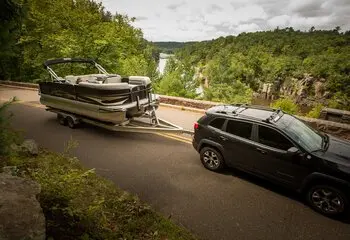
A yacht trailer is more than just a means of moving your boat from point A to point B—it’s an essential piece of equipment that affects safety, convenience, and the long-term condition of your yacht. Whether you’re buying your first trailer or upgrading to a higher-capacity model, knowing what to look for can help you make a confident and well-informed decision.
What Is a Yacht Trailer?
A yacht trailer is a specialized trailer designed to transport recreational yachts or powerboats. Compared with standard boat trailers, yacht trailers typically offer higher weight capacity, wider bunks, and support structures that better match the hull’s profile. They also come with features that make launching and recovering a large boat much easier.
Key Factors to Consider When Shopping for a Yacht Trailer
1. Capacity and Compatibility
Weight rating is always the top priority.
-
Ensure the trailer’s gross vehicle weight rating (GVWR) exceeds the boat’s full operating weight.
This includes fuel, gear, water, batteries, and accessories. -
Confirm that the trailer’s length, bunk placement, and bow stop match your hull shape.
-
Deep-V hulls often need longer bunks
-
Adjustable bunks help accommodate variable hull profiles
-
A proper fit protects the hull and improves towing stability.
2. Frame Materials and Construction
Yacht trailers are typically built in one of two materials:
-
Galvanized steel – Strong, durable, and corrosion-resistant, ideal for frequent saltwater use.
-
Aluminum – Lighter and rust-proof, often with a cleaner appearance, though typically more expensive.
Some aluminum trailers may require specialized torque specifications on fasteners.
If you regularly launch in saltwater, aluminum or hot-dip galvanized frames offer the best longevity.
3. Axle Configuration and Handling
Larger yachts benefit from multiple axles to spread the load and improve stability:
-
Tandem-axle trailers for moderate-size vessels
-
Tri-axle trailers for longer, heavier yachts requiring smoother towing and better braking balance
Pay attention to:
-
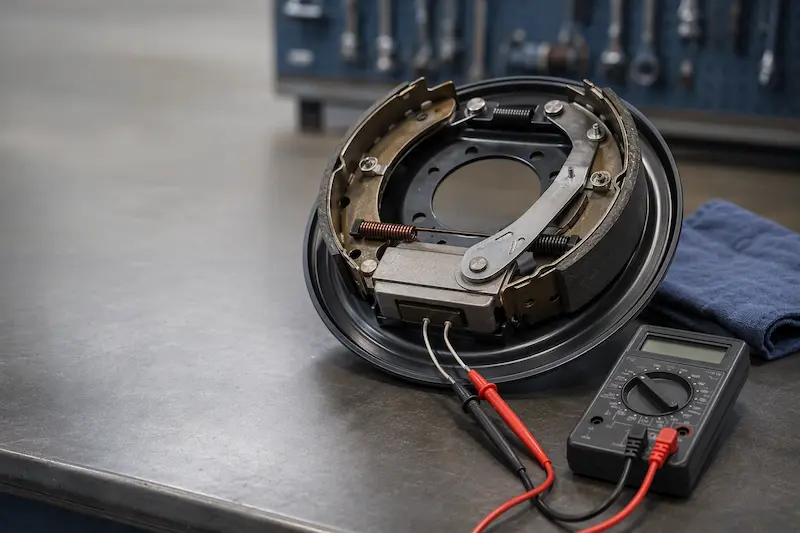
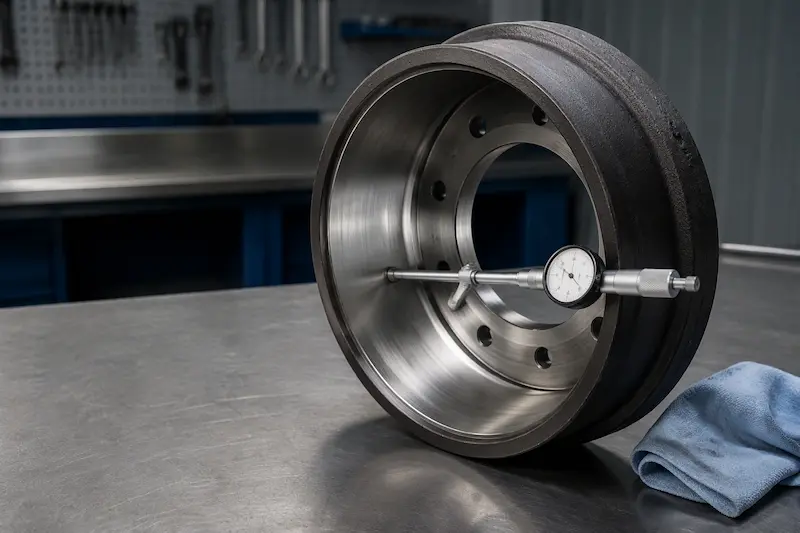
Drum vs. disc brakes
-
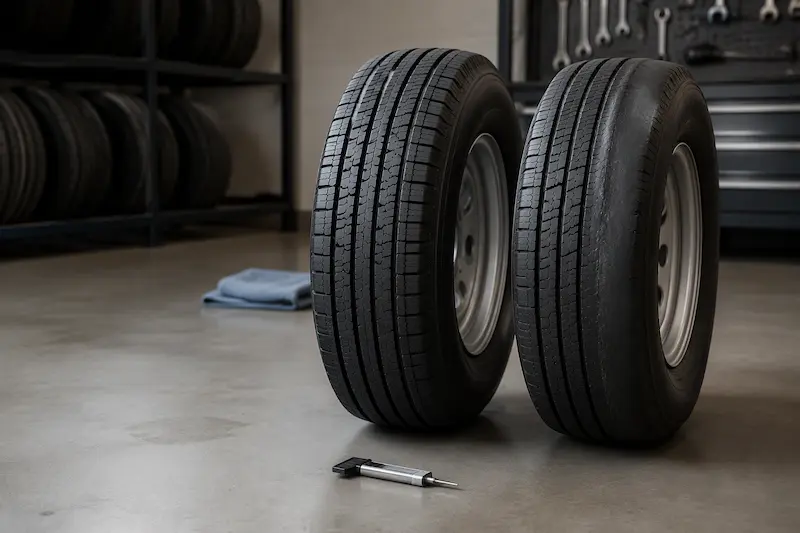
Tire load rating and wheel size
These components determine how safely the trailer will tow and stop.
4. Launching and Loading Features
Look for features that reduce effort at the ramp:
-
Surge or equalizer braking systems
-
Adjustable winch posts
-
Roller setups or long bunk boards tailored to hull and keel shapes
-
Easy-access tongue jack
-
LED lighting
-
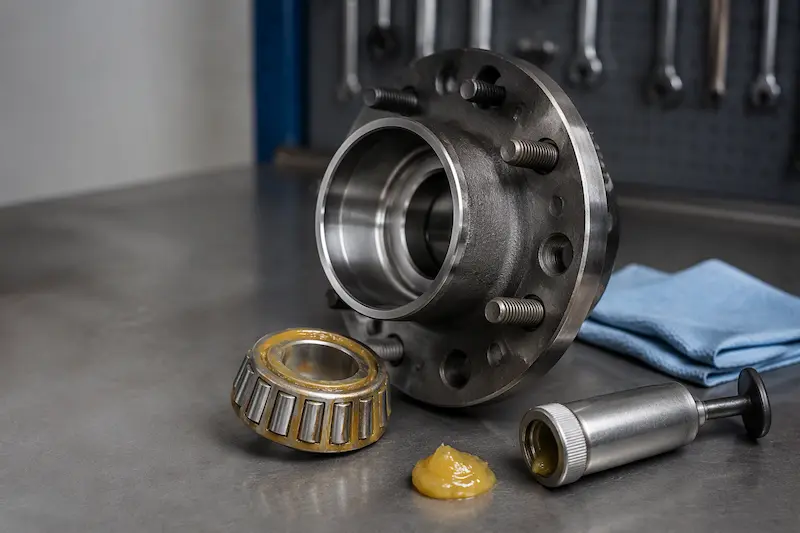
Sealed wheel bearings to minimize maintenance
These features not only make launching smoother but also extend the life of the trailer.
5. Finish and Corrosion Protection
Trailer finish plays a major role in durability:
-
Powder-coated frames – Good protection, requires periodic inspection
-
Hot-dip galvanized frames – Superior corrosion resistance, especially for saltwater environments
Choose based on how often you launch and where you store the trailer.
6. Certification and Compatibility
Before purchasing, verify:
-
Industry certifications such as NMMA or NATM, when available
-
Compatibility with your tow vehicle’s hitch class, coupler size (e.g., 2-inch), and braking system
This ensures safe towing and compliance with local regulations.
7. Tongue Length and Hitch Type
Proper tongue length provides:
-
Better launch-ramp clearance
-
Improved weight distribution
Make sure the coupler, safety chains, and wiring fully match the specifications of your tow vehicle.
Essential Maintenance Tips
A well-maintained yacht trailer lasts longer and keeps your boat safe:
-
Inspect bunks, rollers, and fasteners for wear or corrosion—especially after saltwater use
-
Grease wheel bearings at recommended intervals
-
Check tire pressure and tread before every trip
-
Inspect lights, reflectors, and braking components regularly
-
Rinse the trailer thoroughly after saltwater launches
Routine maintenance prevents breakdowns and costly repairs.
Final Thoughts
Choosing the right yacht trailer is all about balancing safety, fit, durability, and ease of use. By understanding key factors—such as weight capacity, material, axle configuration, ramp-friendly features, and certifications—you’ll be well-equipped to select the best trailer for your yacht and your towing habits.
If you’d like, I can also help you create:
-
an SEO-optimized long-form version,
-
a shorter social-media-ready article, or
-
a comparison table for different trailer types.
For more details on installation and specifications, visit our official product page or contact our technical support team for personalized assistance.