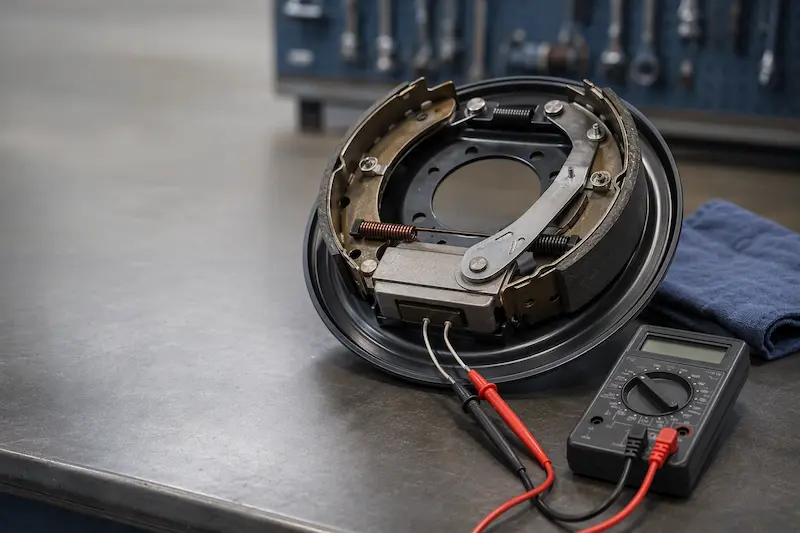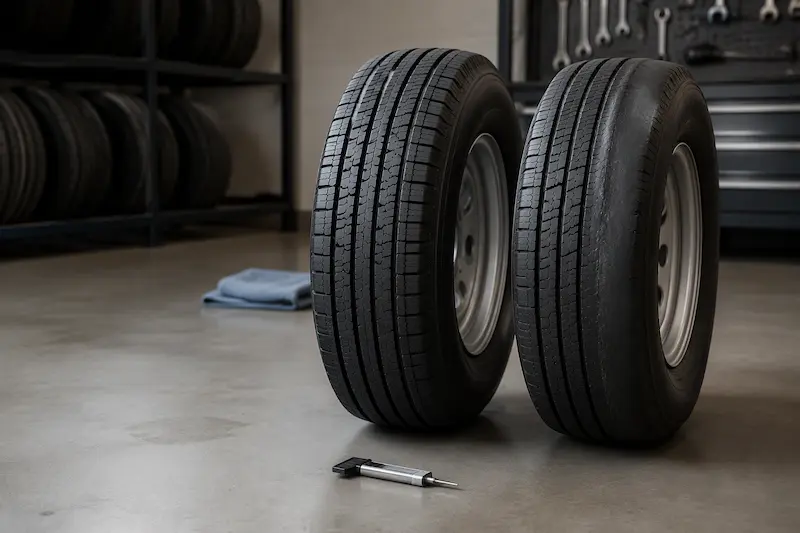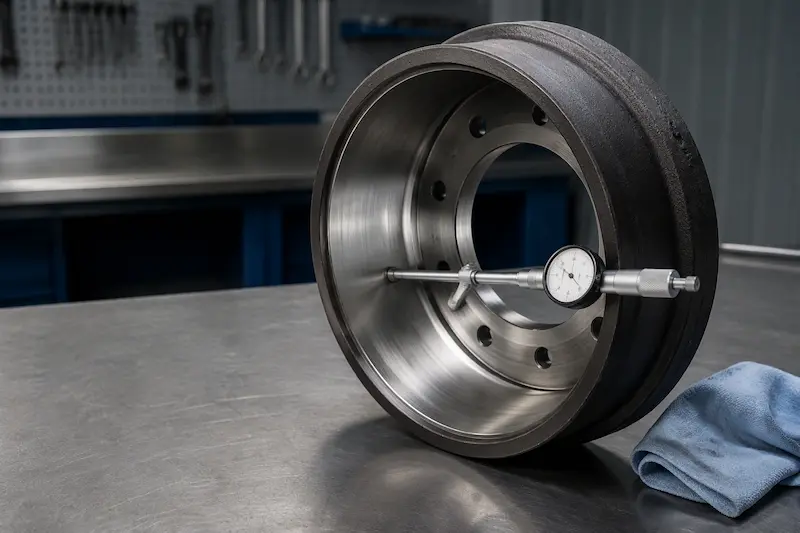
Brake pads are one of the most critical components in your vehicle’s braking system. Maintaining them in good condition is not just about performance—it’s about safety. According to data from the National Highway Traffic Safety Administration (NHTSA), approximately 22% of car accidents related to vehicle malfunction are caused by brake system failures, emphasizing the importance of timely brake maintenance.
How Often Should Brake Pads Be Replaced?
On average, brake pads should be replaced every 30,000 to 40,000 miles. However, this interval can vary based on driving habits, terrain, vehicle type, and brake pad material. For instance:
-
Urban drivers who frequently stop and start may need replacements as early as 25,000 miles.
-
Highway drivers often reach 50,000–60,000 miles before replacement.
-
According to a 2023 study by Consumer Reports, ceramic brake pads tend to last 20% longer than organic pads but may perform slightly less effectively under extreme cold conditions.
What Are Brake Pads?
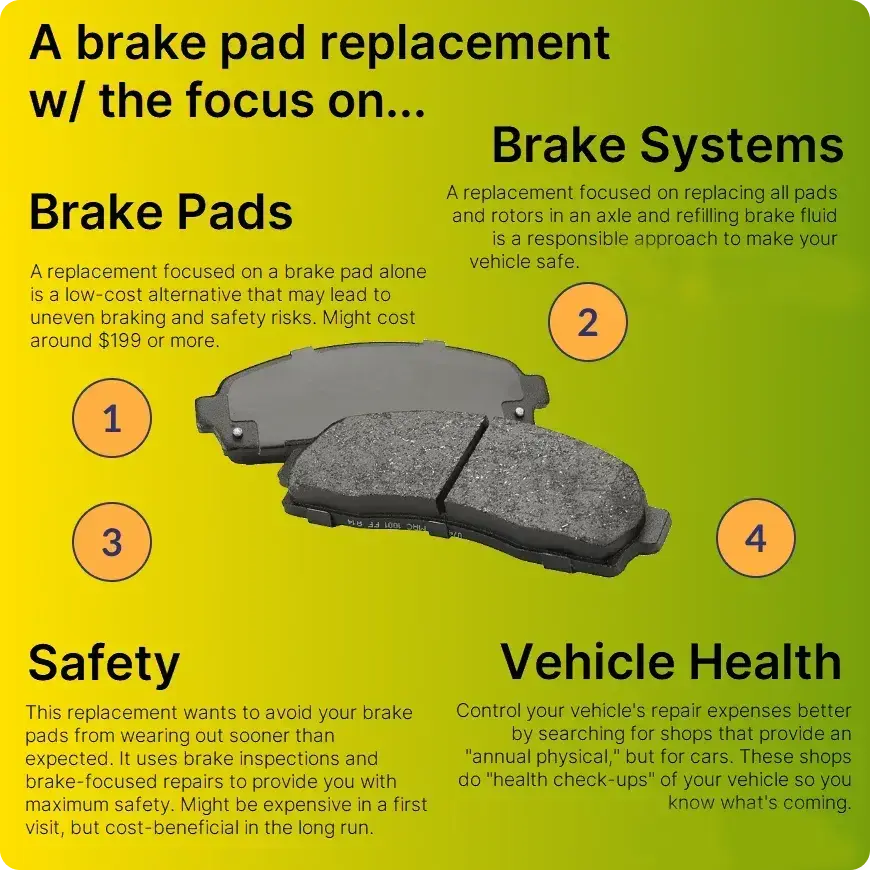
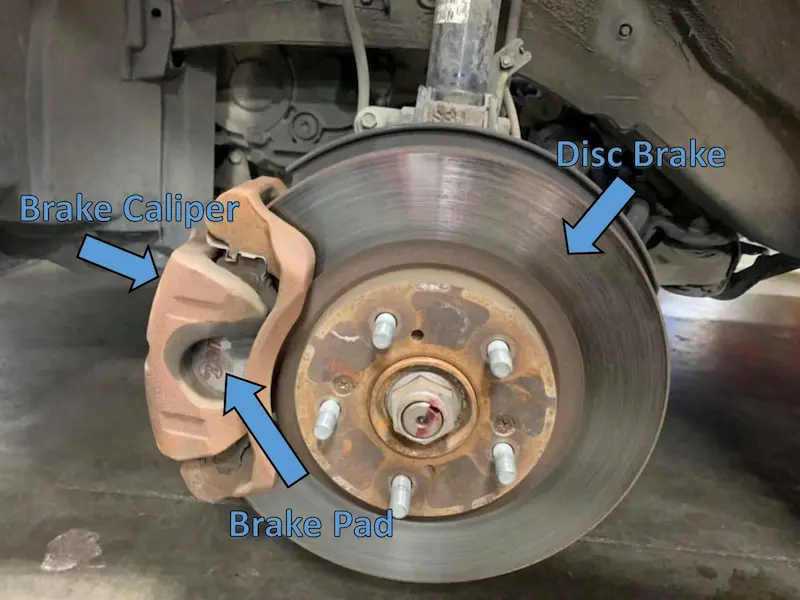
Brake pads are friction materials that press against the brake rotors to slow or stop your vehicle. When you step on the brake pedal, hydraulic pressure pushes the pads against the rotors, converting kinetic energy into heat energy through friction.
🔬 Fun Fact: During heavy braking, the temperature on the surface of a brake pad can reach up to 500°C (932°F), which is why materials like semi-metallic compounds, ceramics, and Kevlar composites are commonly used to handle extreme heat.
Your brake pads endure tremendous pressure and friction, making them one of the most frequently replaced components in your vehicle’s brake system.
What Happens When Brake Pads Wear Down?
Every time you press the brake pedal, a microscopic layer of the pad wears away. Over thousands of stops, this adds up. Once the pads become too thin (less than ¼ inch), their ability to safely stop the vehicle diminishes.
Common Signs You Need New Brake Pads:
1. Screeching or Squealing Noises
A high-pitched noise when braking often indicates worn brake pads. Many manufacturers include a wear indicator shim—a small piece of metal that makes noise once the pad reaches a certain thinness. If the sound persists, it’s time to have your brakes inspected.
(Note: Temporary squealing after rain is often due to surface rust and usually disappears after several stops.)
2. Less Than a Quarter-Inch of Pad Material
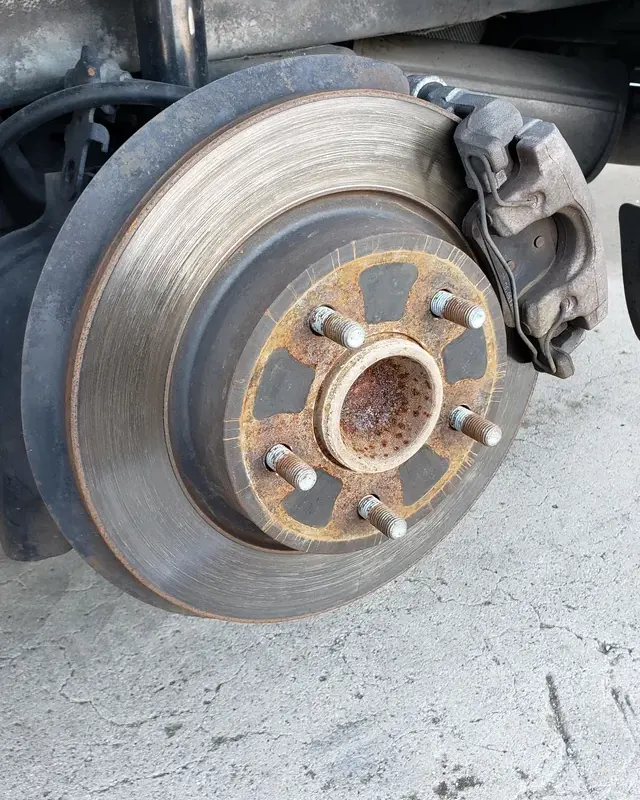
You can visually inspect your pads through the wheel spokes. If the pad thickness is less than 6 mm (¼ inch), replacement is recommended.
3. Grinding or Growling Sounds
A deep grinding noise means your brake pads are completely worn down, causing metal-on-metal contact between rotors and calipers—this can lead to expensive damage.
4. Brake Warning Light
Modern vehicles are equipped with brake pad sensors that trigger dashboard warning lights when pads need replacement.
5. Longer Stopping Distances
If you notice your car takes longer to stop, it could mean your brake pads or brake fluid need attention.
Professional Insight: Material Science Behind Brake Pads
Brake pad materials have evolved significantly over the years. Here’s a quick overview based on data from the Society of Automotive Engineers (SAE):
| Type | Composition | Pros | Cons | Avg. Lifespan |
|---|---|---|---|---|
| Organic (Non-Asbestos) | Rubber, glass, Kevlar | Quiet, low cost | Short lifespan, more dust | 20,000–35,000 miles |
| Semi-Metallic | Iron, steel, graphite | Excellent braking power | Louder, more rotor wear | 30,000–50,000 miles |
| Ceramic | Ceramic fibers, nonferrous filler | Quiet, long-lasting | More expensive | 40,000–70,000 miles |
How Long Do Brake Pads Last?
In general, most brake pads last between 30,000–70,000 miles, depending on several factors:
-
Driving style (frequent hard braking shortens life)
-
Terrain (mountain driving causes more wear)
-
Brake pad material
-
Vehicle weight and load
🚗 Tip: A light foot on the brake pedal and maintaining safe following distances can extend brake pad life by up to 25%, according to research by the Automotive Maintenance and Repair Association (AMRA).
Conclusion
Knowing when to replace your brake pads can save you from costly repairs and, more importantly, prevent accidents. Regular inspections—ideally every 12,000 miles or once a year—are recommended by most manufacturers.
If you’re looking for reliable, high-performance brake pads, choose certified brands that comply with ECE R90 or ISO/TS 16949 standards. These certifications ensure the brake components have passed rigorous safety and performance tests.
For personalized brake pad recommendations or technical guidance, contact our team at Frontech China — your trusted partner in automotive braking technology.
For more details on installation and specifications, visit our official product page or contact our technical support team for personalized assistance.